Sardinia beach booking rules for La Pelosa and other capped shores
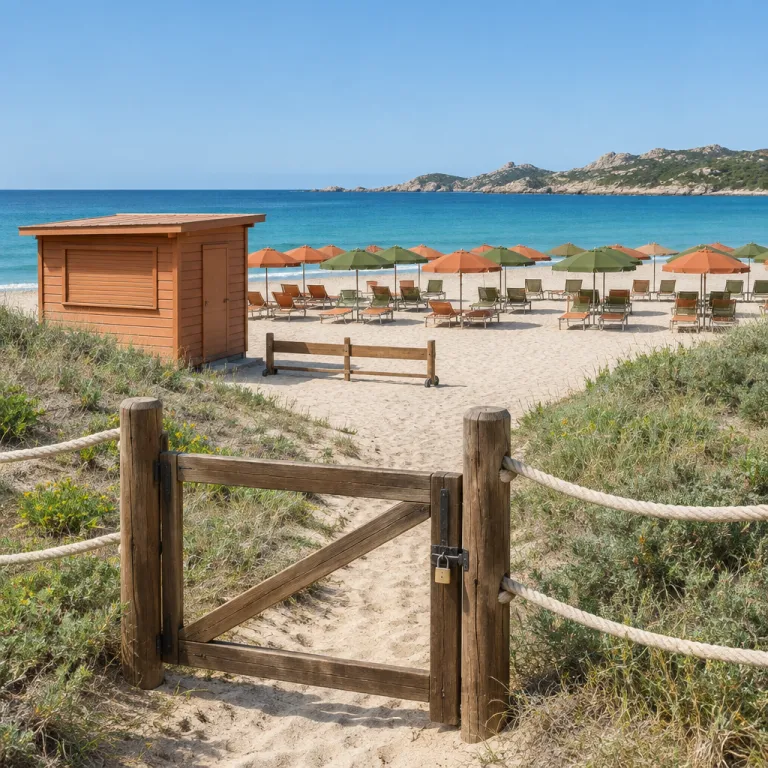
On Sardinia’s north west coast, the new access rules feel most tangible at La Pelosa near Stintino. Here, Pelosa Beach is no longer a spontaneous stop on a rental car itinerary, because entry is capped at around 1 500 people per day and every visitor must secure a digital booking through the official municipal system. The result is a calmer spiaggia with turquoise water and sand shells that finally match the postcards again. Most couples base themselves in Stintino itself or in Alghero, half an hour south, and drive out for their slot.
Local authorities now treat these stretches of sand as fragile assets, not infinite playgrounds, and the Sardinia beach reservation system reflects that shift. A policy change introduced digital platforms for several beaches in Sardinia, with explicit objectives to protect fragile ecosystems and manage visitor numbers. The official guidance from municipal portals is clear and blunt: book in advance, check official websites or apps for each season’s ordinance, and follow local guidelines on access, equipment and behaviour. Wikipedia’s entry on Sardinia covers the wider context.
For couples planning a luxury beach day, this means you choose your shoreline and your time slot before you even leave Alghero or San Teodoro. You pay a modest fee online to reserve access—at La Pelosa this is usually a few euros per person per day, plus any separate parking charge—then show a QR code at the entrance where staff count each daily visitor against the capped quota. The system may sound bureaucratic, yet on the sand it translates into space to breathe, quieter water, and fewer loud groups dragging coolers across the dunes.
How to book Sardinia’s regulated beaches step by step
The most sensitive beaches in Sardinia now share a similar digital choreography, even if each municipality runs its own app or website. La Pelosa, Cala Brandinchi, Lu Impostu, Cala Coticcio and Tuerredda all require some form of online booking between June and September, with the strictest controls during July and August. Think of it as reserving a table at a Michelin starred restaurant rather than gambling on a walk in, and always confirm current rules on the relevant comune or tourism portal before you travel.
First, choose your Sardinian beach and check the local municipality website or official tourism portal, where you will see when tickets are released for each day and any seasonal ordinance on daily quotas. You then create an account, select your date and time band—for example, a morning slot from 8:00 to 13:00 in mid July—pay the small fee if required, and receive digital tickets that guarantee access until the daily quota is capped. Some systems allow free cancellation up to the previous day, which is useful when the wind turns and you want to pivot to more sheltered wind beaches or adjust your itinerary. For official opening times and dates, Sardegna Turismo, the region's official tourism board is the reference.
Second, plan your logistics around that slot, especially if you rely on a rental car to reach a remote spiaggia. Parking often requires a separate booking or payment on arrival, and fines for ignoring coastal rules or parking restrictions can be steep enough to sour an otherwise perfect beach day. For a deeper sense of how local communities balance tourism and landscape, pair your coastal plans with a countryside stay at an agriturismo; guides to Sardinia’s agriturismo renaissance such as from vineyard to village table show how inland hospitality complements these regulated coasts. Staying in San Teodoro or Villasimius, within twenty minutes of the regulated coves, removes the early morning drive altogether.
What the new system means for luxury and premium hotel stays
For guests booking luxury hotels in Sardinia, the new coastal access regulations are less a hurdle and more a concierge opportunity. High end properties near Alghero, San Teodoro or Stintino now treat digital beach entry as part of their service, often handling the booking process for La Pelosa or other capped beaches on your behalf. The best teams monitor when tickets are released, then quietly secure prime slots that align with your spa appointments, private transfers or tasting menus.
Some resorts sit on stretches of sand that remain free access, yet they still brief guests carefully on local beach rules and etiquette. Others operate private decks adjacent to public beaches across Sardinia, where loungers and umbrellas are reserved for hotel guests while the shoreline itself remains public by law. In both cases, staff will warn you about potential fines for walking onto protected dunes, rinsing sand shells in fragile water channels, bringing plastic where it is banned, or ignoring daily visitor limits at nearby coves.
Couples who prefer independent stays in villas or agriturismi must take a more hands on approach, but the trade off is intimacy and a stronger link to the island’s interior culture. Articles on Sardinia’s forgotten interior, such as Italy’s audacious bet on fifteen villages, highlight how staying inland can reduce pressure on crowded beaches while still allowing curated day trips to the coast. From there, a well planned day trip with a pre booked beach slot feels like a deliberate ritual rather than a rushed scramble for space.
Hidden gem beaches and free access alternatives to the headline names
Not every beach in Sardinia is gated by an app, and that is where the island still rewards curiosity. While La Pelosa and Tuerredda dominate social media, many lesser known beaches across the island remain free access, especially outside the most photographed corners of the north west. These hidden coves often sit just beyond the main car parks, reached by short coastal paths where the only soundtrack is wind and water.
For couples willing to trade a famous hashtag for solitude, a rental car becomes your best ally. Drive beyond Alghero’s main promenade or south of San Teodoro, then ask your hotel team about smaller spiagge where sand and rock mingle and no booking is required yet. These free beaches still demand respect; rules about litter, protected dunes and wildlife apply everywhere, even when there is no ticket booth, QR code scanner or daily visitor counter. Bases such as Bosa, Chia and Cala Gonone put you within reach of the quieter coast without competing for a slot.
Some of the most atmospheric wind beaches sit near headlands where the mistral shapes the sand into ripples and the turquoise water feels wilder. They may not have the powder fine sand shells of Pelosa Beach, but they offer a different kind of luxury, one measured in silence and horizon rather than in services. When you balance one regulated Sardinia beach day with one free roaming coastal walk, you help spread your impact and experience more of the island’s character.
Planning the perfect sustainable beach day around the new rules
Designing a beach day in Sardinia now starts at your laptop rather than at the car park barrier. You choose whether to visit La Pelosa or another capped spiaggia, then align your booking with the rhythm of your trip instead of chasing last minute access. This planning mindset suits luxury travel, where intention often matters as much as spontaneity and where couples value calm over crowds.
For a couple based in Alghero or Stintino, one elegant pattern is to book an early morning slot at Pelosa Beach, enjoy the calm turquoise water before crowds build, then retreat inland for lunch and wine. If you stay near San Teodoro, you might reserve a late afternoon entry at a regulated bay, using the morning for a national park hike or a slow breakfast on your terrace. Between June and September, and especially in July and August, this choreography helps you avoid the hottest hours while still respecting daily visitor caps and local safety advice. Both towns are small enough that rooms near the harbour go quickly in July and August.
Hotels that understand these Sardinia beach booking rules often curate full day trip itineraries, pairing a timed Stintino visit with a countryside tasting or a sunset boat rental. For more ideas on aligning your stay with refined coastal experiences, consult guides to elegant hotels near the finest beach clubs in Italy such as this curated selection. When you treat the booking system as part of a broader sustainable travel strategy, the new rules feel less like restrictions and more like a quiet guarantee that Sardinia’s beaches will still feel wild on your next visit.
FAQ
Which beaches in Sardinia currently require booking?
Several of the most fragile beaches in Sardinia now require advance booking through official websites or mobile apps. La Pelosa near Stintino, Cala Brandinchi, Lu Impostu, Cala Coticcio and Tuerredda all operate some form of digital reservation system with daily visitor caps set by seasonal ordinances. Local authorities have indicated through municipal regulations that more beaches may adopt similar rules in future seasons, so always check the municipality website or tourism portal before you book.
How do I book access to La Pelosa and what does it cost?
To visit La Pelosa, you must use the official online platform to select your date, time slot and number of visitors, then pay a small per person fee by card, typically a few euros per adult per day. Once the daily quota of around 1 500 people is reached, access is closed and no further tickets are released for that day. You receive a QR code to show at the entrance, and failure to comply with these coastal rules or to carry valid identification with your booking can result in fines.
Are there still free access beaches in Sardinia?
Yes, many beaches in Sardinia remain free access and do not require digital booking, especially outside the most iconic coves. These include numerous stretches of sand near Alghero, San Teodoro and along the less developed coasts, although local parking fees, time limits and regulations may still apply. Because regulations evolve and new ordinances can appear each summer, it is wise to ask your hotel or check municipal notices before planning a spontaneous beach day.
Do luxury hotels handle beach bookings for their guests?
Many luxury and premium hotels in Sardinia now integrate beach booking into their concierge services, particularly for La Pelosa, Tuerredda and other capped beaches. Staff monitor when tickets are released, secure preferred time slots, and coordinate transport or rental car arrangements to match your reservation. This support turns the Sardinia beach booking rules into a seamless part of your stay rather than an administrative burden, especially in peak months.
Why has Sardinia introduced digital booking and daily visitor caps?
The booking systems and daily visitor caps were introduced in response to overcrowding, erosion and pressure on local ecosystems at Sardinia’s most famous beaches. By limiting numbers and tracking each daily visitor, local authorities aim to preserve sand dunes, water quality and marine life while still welcoming tourism. The policy is part of a broader sustainable tourism strategy that balances access with long term protection of the island’s coastal landscapes and supports more responsible travel patterns.