Luxury rock climbing in Sardinia: Cala Gonone and beyond
Cala Gonone as a luxury base for rock climbing in Sardinia
Cala Gonone sits on the wild Gulf of Orosei, where pale limestone walls fall straight into the sea. For travelers planning rock climbing in Sardinia, this compact coastal town offers a rare balance between serious climbing adventure and polished hospitality. You wake to the sound of waves, then spend the day on Sardinian limestone that feels carved for your hands.
The numbers alone explain why climbing holidays in Sardinia often start here, with Cala Gonone offering roughly three hundred documented sport routes across easily reached sectors. That figure appears consistently in modern guidebooks such as the “Pietra di Luna” series and in Climb Europe’s online topos. On this stretch of the island, bolted crags line the coast in a tight radius, so a single day climbing can move from shaded single pitch slabs to overhanging caves above turquoise water. Luxury hotels in Cala Gonone understand this rhythm: breakfast is early, luggage storage is flexible, and late check out is often possible after a long climbing day.
Many premium properties in Sardinia Italy now work directly with local operators such as Climbing Sardinia, which collaborates on route maintenance and supports rebolting projects reported by Climb Europe and UIAGM / IFMGA publications. These reports describe the gradual replacement of ageing steel with stainless or titanium bolts on popular lines. Reception teams can arrange a private mountain guide for a tailored climbing tour, pairing your preferred grades with the right pitch routes and sectors. For a solo explorer, that means you will step into the rock with a vetted IFMGA level professional rather than gambling on hearsay.
Rooms overlooking the sea become more than a view when you are here for climbing adventure rather than only for the beach. You track the light on the cliffs above Cala Fuili, planning the next day Sardinia itinerary around shade, wind and swell. The same terrace where you sip Vermentino at sunset doubles as your planning table for the following day climbing session, with guidebooks, topos and photos of sectors such as La Poltrona and Millennium cave spread out beside your glass.

From Millennium cave to Cala Fuili: choosing your sectors and your stay
Within a fifteen minute drive of Cala Gonone, you move between very different climbing experiences. Millennium cave, the huge tufa amphitheatre often compared to Kalymnos, offers steep sport climbing with routes from around 6b to 8c. Just along the coast, Biddiriscottai and Cala Fuili deliver sea cliff single pitch lines where the sound of the waves sets the tempo and approaches take ten to twenty minutes on foot from roadside parking.
For many guests, the ideal climbing day starts with easier single pitch climbing at La Poltrona, a fully bolted cliff above town with sweeping views over the island and grades from roughly 4c to 6b. Later days might shift to harder pitch climbing in Millennium cave or to long pitch routes that flirt with the sea spray. Luxury hotels that understand rock climbing Sardinia will help you structure these days, suggesting early transfers, packed breakfasts and late spa slots for tired forearms.
Transport matters more than many first time visitors expect on a climbing trip in Sardinia Italy. Renting a car gives you freedom to chase shade and to link a climbing tour with other outdoor pursuits, such as the new coastal cycling itineraries described in this guide to Sardinia by bicycle. Some premium properties now offer electric car hire or private drivers, which turns a multi pitch day into a door to crag experience where logistics disappear into the background.
When you book, look for hotels that can store gear, dry ropes and handle early breakfast for a dawn start at Cala Fuili or a late return from Millennium cave. Ask whether staff know the difference between a single pitch crag and a multi pitch wall, because that signals how well they understand your climbing adventure. The best addresses will already have relationships with local guides and will quietly adjust housekeeping and dining times around your chosen routes.
| Sector | Style | Typical grades | Approx. approach |
|---|---|---|---|
| La Poltrona | Single pitch slabs and walls | 4c–6b | 10–15 min from parking |
| Millennium cave | Steep tufa cave | 6b–8c | 20–30 min from road |
| Cala Fuili | Sea cliff single pitch | 5a–7b | 5–20 min from beach path |
| Biddiriscottai | Overhanging walls by the sea | 6a–7c | 10–15 min from parking |
IFMGA guides, safety and the new face of climbing Sardinia
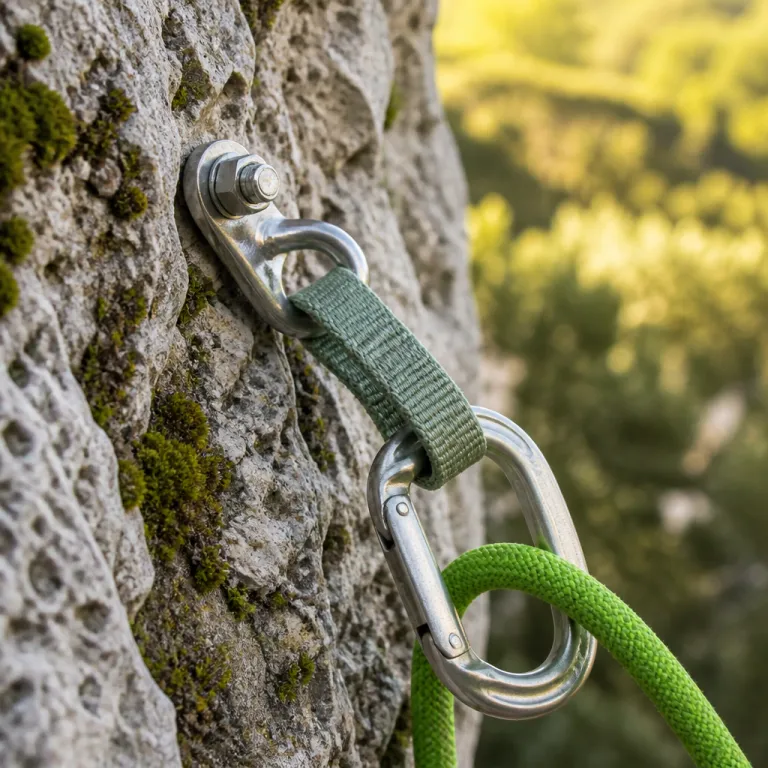
Rock climbing in Sardinia has shifted from a fringe pursuit to a structured, professionally supported activity. Local organizations such as Climbing Sardinia coordinate with IFMGA certified alpine guides and volunteers to maintain routes and improve safety. The use of stainless and titanium bolts on popular lines, documented in UIAGM / IFMGA guide association publications and in recent editions of “Pietra di Luna”, means that a climbing day here now feels as secure as in other well known European destinations.
Recent rebolting at sectors like Biddiriscottai and Puschtra reflects a clear priority on long term safety for both single pitch and multi pitch routes. Data from regional tourism boards, including Regione Autonoma della Sardegna, show steady growth in climbing tourism, and the response has been to invest in durable hardware that resists the corrosive sea air. When you plan a climbing tour, choosing an IFMGA mountain guide who knows which pitch routes have been updated is as important as picking your grades.
For serious multi pitch days in the Supramonte, where routes can reach four hundred metres and often run from 6a to 7b, a certified guide is not a luxury but a strategic choice. They manage approach times, weather windows and retreat options, turning a potentially stressful adventure into a smooth, elegant day Sardinia experience. Many luxury hotels now keep a short list of trusted names, including specialists mentioned in rebolting reports such as Louis Piguet and Mario Ogliengo.
Technical terrain like the walls above Cala Goloritzé or the long limestone of Pedra Longa demands this level of expertise. Before you book, ask your hotel concierge how they work with local IFMGA guides and whether they can arrange private transfers to remote trailheads used for both climbing and demanding hikes such as the Selvaggio Blu. A property that answers confidently is one that understands the real needs of guests who come for climbing Sardinia rather than only for the pool.
Beyond Cala Gonone: inland crags, Pedra Longa and the island's wild side
Stay a few days longer and the character of rock climbing in Sardinia changes completely. Drive inland from Cala Gonone and the coast gives way to oak forests, high plateaus and quiet villages where climbers are still a curiosity. Here, Sardinian rock is sharper, the air cooler, and the rhythm of a climbing day follows shepherds rather than sailors.
Pedra Longa, the limestone spire rising from the sea near Baunei, is the most photographed symbol of this wilder side of island Sardinia. Multi pitch routes weave up its flanks, combining sea views with serious exposure that rewards a calm head and a solid partnership. Many climbers pair a Pedra Longa climbing tour with a rest day on the Selvaggio Blu hiking route, using this detailed guide to Sardinia's toughest trail as a planning tool.
Further inland, crags such as those near the Marinaio Foresta area offer quieter single pitch and pitch climbing on compact limestone, often in total solitude. These sectors suit a slower trip, where you base yourself in a rural hotel or agriturismo and let the days stretch between climbing, long lunches and village walks. Luxury here is not a marble lobby but a terrace where the ricotta is still warm from the morning and the only sound after dark is the wind in the holm oaks.
Because services are sparse, working with a mountain guide for at least one day climbing inland is wise, especially if you are new to Sardinia Italy. They will handle access tracks, local etiquette and the small practicalities that can derail an otherwise perfect climbing adventure. Ask your coastal hotel to coordinate a transfer and a guide, turning the inland crags into a seamless extension of your Cala Gonone stay.
Designing a luxury climbing itinerary and where to stay
Planning rock climbing in Sardinia as a luxury traveler means thinking in arcs rather than isolated days. A refined itinerary might start with three days in Cala Gonone, focusing on accessible single pitch routes and a first taste of Millennium cave. You then add two days around Pedra Longa and Cala Goloritzé, finishing with a quieter inland stay where the emphasis shifts from grades to atmosphere.
When you choose hotels, prioritize properties that understand both sport climbing logistics and post adventure recovery. Look for heated pools, serious spa programs and flexible dining hours, especially if you expect late returns from long pitch routes or a demanding climbing tour. For deeper relaxation between climbing days, consider pairing your stay with one of the spa and wellness retreats highlighted in this guide to elevated hotel experiences in Sardinia.
Seasonality matters more than many visitors realize, because the best months for climbing Sardinia are spring and autumn. Temperatures are mild, the rock is grippy, and the sea is still warm enough for a post climb swim. Typical daytime highs in April, May, late September and October sit between 18°C and 24°C on the coast, according to long term averages from Regione Autonoma della Sardegna and national meteorological summaries. As local experts put it with disarming clarity, "Spring and autumn offer ideal conditions" for both coastal crags and inland walls.
To keep your trip smooth, build in one rest day Sardinia between intense climbing blocks, using it for a boat tour of the Gulf of Orosei or a slow lunch in a Barbagia village. The right hotel will help you choreograph this balance, suggesting when to schedule a hard climbing day, when to book a massage and when to simply watch the light change on the cliffs above Cala Gonone. That is the essence of Sardinia's vertical playground: serious routes, considered comfort and the feeling that the island is quietly working with you.
FAQ
What is the best time of year for rock climbing in Sardinia?
The most comfortable seasons for rock climbing in Sardinia are spring and autumn, when temperatures are mild and humidity is lower. These months offer reliable conditions for both single pitch sport climbing near Cala Gonone and longer multi pitch routes inland. Summer can be very hot on south facing Sardinian cliffs, so early starts and shaded sectors become essential.
Are there beginner friendly climbing routes around Cala Gonone?
Yes, Cala Gonone has several sectors with beginner friendly routes, especially around Cala Fuili and La Poltrona. These crags offer well bolted single pitch lines at moderate grades, making them ideal for a first climbing day on the island. Many IFMGA certified guides and local instructors run introductory courses here, which luxury hotels can arrange on request.
Is climbing in Sardinia considered safe for visiting climbers?
Climbing in Sardinia is generally considered safe, particularly in areas that have been recently rebolted with corrosion resistant hardware. Local organizations and IFMGA guides regularly maintain popular pitch routes, especially around Cala Gonone and the Gulf of Orosei. As one official answer from regional information puts it, "Yes, especially with recent rebolting efforts" supported by local clubs and guide associations.
Do I need a car for a climbing focused trip to Sardinia Italy?
Renting a car is highly recommended for a climbing focused trip, because many crags sit outside town centres and public transport is limited. A vehicle allows you to reach sectors like Millennium cave, Pedra Longa and inland Marinaio Foresta areas at the right time of day. Some luxury hotels offer transfers or private drivers, but independent access gives you more control over your climbing tour.
Where should I stay if I want both climbing and relaxation?
Cala Gonone is the most practical base if you want to combine serious rock climbing with high quality accommodation and dining. From here you can reach sea cliff routes, inland crags and boat tours within a short drive, then return to a comfortable room and spa. For a longer itinerary, consider splitting your days between Cala Gonone, a coastal hotel near Pedra Longa and a quieter inland retreat.
Sources
Climb Europe; Regione Autonoma della Sardegna tourism data and climate summaries; UIAGM / IFMGA guide association publications; "Pietra di Luna" sport climbing guidebook series.