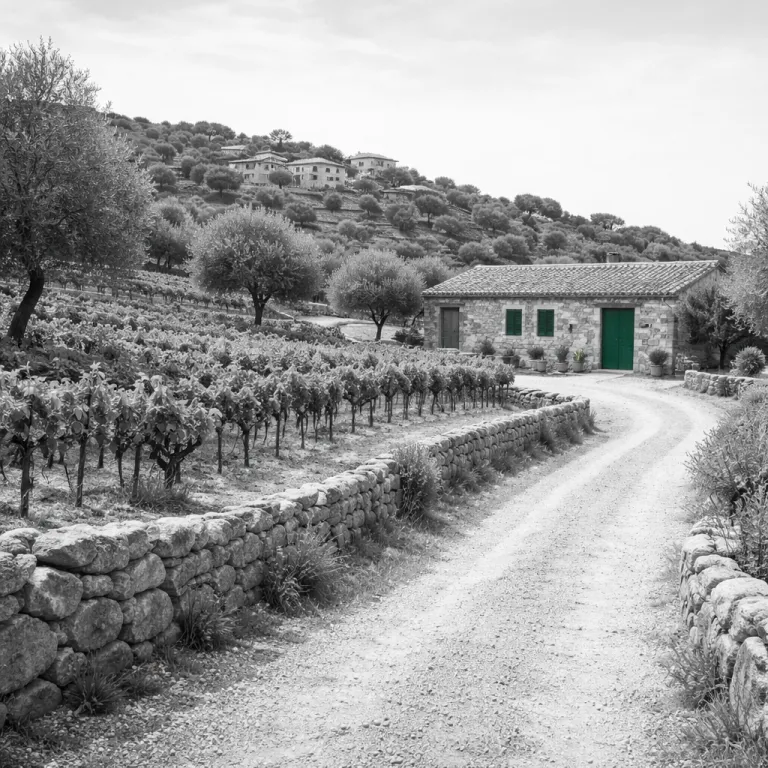
Why sardinia agriturismo is rewriting luxury family travel
On Sardinia, agriturismo is no longer a rustic side note to the coast. It has become the quiet, confident answer for families who want the best holidays with depth, flavour and space to breathe. When you choose an agriturismo Sardinia stay, you are booking into a working farm where the vineyard, the olive trees and the kitchen shape every moment of your day.
Unlike many mainland farmhouse retreats, a Sardinian agriturismo must serve food that largely comes from its own farm, which means your plate tracks the seasons with unusual precision. This principle is set out in Italian agriturismo legislation (Law 96/2006 and regional regulations such as Sardinia’s L.R. 11/2015) and monitored by local tourism and agricultural authorities, turning farm stays into serious dining destinations where traditional Sardinian recipes sit beside lighter, contemporary plates that still respect the land. For premium travellers, that farm to table rule is exactly why Sardinia agriturismo now rivals coastal fine dining while remaining resolutely family friendly.
The island’s interior, from Barbagia to Ogliastra, is where agriturismo Sardinia experiences feel most authentic, yet you are rarely more than an hour’s drive from the sea. Families can spend the morning at a hidden cove, then return to a farmhouse with a swimming pool and air conditioning, where children roam safely between the pool and the farm animals. When you book these farm stays through a curated luxury platform or specialist tour operator, you secure excellent rooms and service without losing the sense that you are guests on a real Sardinian farm.
Data from national tourism bodies such as ISTAT and Italy’s Ministry of Agriculture indicate that agriturismi across Italy have grown significantly over the past two decades, and Sardinia has ridden that wave with a marked rise in registered farm stays since the early 2000s. The growth is not just about bed numbers; it reflects a shift in what affluent visitors now value. They want traditional Sardinian hospitality, but they also want Cannonau poured by the person who pruned the vines and olive oil served by the family who harvested the grove behind your room.
From nuraghe hills to hidden coves: where agriturismi shine
The most rewarding Sardinia agriturismo stays tend to sit just behind the coast, where vineyard, pasture and sea breeze meet. Around Sassari in the north west, for example, you find farmhouse properties that pair views of rolling hills with easy day trips to Alghero’s beaches. These places give you the best of both worlds; you wake to cowbells and end the day with your feet in the sea.
In the central interior, near Barbagia and Ogliastra, agriturismo Sardinia properties often occupy land that has been farmed for generations, sometimes within sight of Bronze Age nuraghe towers. Staying here turns a simple family holiday into a living history lesson, especially if you combine it with a guided visit to lesser known nuragic sites using a specialist cultural guide to walking among giants beyond Su Nuraxi. Children move from the farm’s sheepfolds to ancient stone villages in a single afternoon, and the landscape quietly explains why traditional Sardinian life has always been tied to the land.
On the east coast, the area around San Teodoro offers a different balance, ideal for families who prioritise the sea but still want a genuine farm stay. Here, agriturismi sit within a short drive of white sand beaches, yet the rooms remain wrapped in olive trees and vineyards rather than resort blocks. You might spend the morning snorkelling in crystalline water, then return to a farmhouse pool before dinner is served under a pergola, with children free to run between tables and the farmyard.
Further south and west, around Oristano and the countryside near the village of San Vero Milis, agriturismo Sardinia stays often focus on wine and olive oil. Some farms here are known for organic Cannonau and Vernaccia, while others specialise in cold pressed olive oil that you taste alongside breads baked that morning. For families, these quieter places offer excellent value and a slower rhythm, with holiday homes or rooms that feel more like a private villa than a hotel, yet still come with a generous Sardinian breakfast served every day.
What sets Sardinian agriturismo apart from mainland farm stays
Across Italy, agriturismo simply means a farm that hosts guests, but Sardinia agriturismo has evolved its own character. The island’s relative isolation has preserved traditional Sardinian farming methods and recipes, so what is served at dinner often mirrors dishes that have barely changed in generations. When you stay on a Sardinian farm, you are not just renting a bed; you are stepping into a food culture that still revolves around the seasons, the flock and the vineyard.
Mainland farmhouse stays can be polished, yet they often feel like country hotels with a vegetable patch, while agriturismo Sardinia experiences tend to keep the farm at the centre of the story. Regulations require that a significant share of what is cooked comes from the farm itself, which pushes owners to maintain vineyards, orchards and olive trees rather than outsourcing ingredients. That rule is one reason Cannonau wine, pecorino cheese and house pressed olive oil taste so vivid here, and why farm stays have become a primary travel motivator for visitors who care about what is on the plate.
There is also the island’s longevity culture, particularly in the so called Blue Zone areas of central Sardinia, where diet and lifestyle are closely studied by researchers. Choosing a Sardinia agriturismo in these regions lets families experience that rhythm first hand, from slow cooked stews to evenings spent outdoors under minimal light pollution. For a deeper understanding of this wellness angle, many travellers pair their stay with a specialist guide to Sardinia’s longevity culture and how it is reshaping luxury wellness travel.
For premium families, the difference is felt in the details rather than in flashy amenities. Yes, you will find air conditioning, a swimming pool and excellent rooms at the best agriturismo Sardinia properties, but you will also find the owner pouring your wine and explaining which field the artichokes came from. As one owner near Oristano puts it, “Guests arrive for the pool and the view, but they return because they know the name of the sheep that made their cheese.” That blend of comfort and proximity to real farm life is what sets Sardinian agriturismo apart from many mainland farm stays, and why demand has surged among discerning travellers.
Family friendly comforts: pools, horses and rooms that work
Parents often worry that a Sardinia agriturismo stay will feel too rustic for children used to resort comforts. The reality on the island now is very different, as many farmhouse properties have quietly upgraded to meet premium expectations without losing their soul. You can book farm stays that offer a proper swimming pool, air conditioning in all rooms and thoughtful touches like shaded play areas or early dinner times for younger guests.
For active families, horse riding is one of the great strengths of agriturismo Sardinia stays, especially in the interior and around coastal plains near San Teodoro. Several farms keep well trained horses and ponies, offering guided rides through vineyards, along country lanes or even down to the sea in low season. Children gain confidence in the saddle while adults enjoy a perspective on Sardinia Italy that you simply do not get from a sun lounger.
Room configurations matter when you travel with children, and the best agriturismo Sardinia properties understand this. Many now offer interconnected rooms, small holiday homes or family suites that allow parents privacy while keeping everyone close, often with terraces that open directly onto gardens or olive groves. Bed quality has improved dramatically too, with high standard mattresses and linens that match what you would expect from a premium coastal hotel.
Pet friendly and family friendly policies are increasingly common, reflecting the way affluent travellers now move as multi generational groups with dogs in tow. When you book, check whether the farmhouse has enclosed outdoor space, a pool with shallow steps and flexible meal times, all of which make holidays Sardinia easier with children. If you want to combine a rural stay with a few nights on the Costa Smeralda, consider pairing your farm with refined Porto Cervo hotels for a balanced itinerary that moves from vineyard to yacht harbour without logistical stress.
From vineyard rows to village tables: eating and drinking on the farm
The heart of any Sardinia agriturismo stay is the table, where what is served reflects what the farm has harvested that week. In spring, you might eat baby artichokes, wild asparagus and fresh pecorino, while summer brings tomatoes, grilled vegetables and seafood sourced from nearby coastal markets. Autumn and winter lean into slow cooked meats, chestnuts and robust soups, all anchored by traditional Sardinian bread baked daily in wood fired ovens.
Many agriturismo Sardinia properties now offer informal cooking classes, where guests learn to shape culurgiones pasta, bake pane carasau or prepare seadas pastries under the eye of a family matriarch. These sessions are not staged performances; they are extensions of daily life on the farm, often timed around real service in the kitchen. For children, kneading dough or helping to press olive oil from the farm’s own olive trees becomes a tactile memory that outlasts any kids’ club.
Wine is another pillar of the experience, especially in inland areas where Cannonau and Vermentino vineyards wrap around the farmhouse. Some farm stays organise tastings in the cellar, while others invite guests to join the grape harvest, turning holidays Sardinia into a hands on lesson in viticulture. A typical day might start with a walk through the vineyard rows, continue with a long lunch at the village table and end with stargazing from the terrace, creating a full agriturismo Sardinia immersion.
As one local definition puts it, “A combination of agriculture and tourism offering farm stays.” That simple phrase captures the essence of Sardinia agriturismo, but on the island it has grown into something richer, where traditional Sardinian cuisine, excellent wines and genuine hospitality converge. When you book carefully, choosing places that balance comfort with authenticity, your family will leave with more than photographs; you will carry home a deeper understanding of Sardinia Italy, shaped by every meal that was served from vineyard to village table.
FAQ
What is agriturismo and why choose it in Sardinia ?
Agriturismo is officially defined as “A combination of agriculture and tourism offering farm stays.” Choosing a Sardinia agriturismo means staying on a working farm where much of the food is produced on site, often including wine and olive oil. In Sardinia, these farmhouse stays offer both traditional Sardinian culture and modern comforts like air conditioning and pools, making them ideal for premium family holidays.
Are Sardinian agriturismi suitable for families with children ?
Many agriturismo Sardinia properties are explicitly family friendly, with safe outdoor spaces, swimming pools and flexible meal times. Children can interact with animals, join simple cooking classes or try supervised horse riding, which keeps them engaged without screens. When you book, look for interconnected rooms or small holiday homes, plus clear information on facilities such as cots, high chairs and shallow pool areas.
How far are agriturismi from the sea and main towns ?
Most Sardinia agriturismo stays sit between 15 and 45 minutes’ drive from the sea, especially around Sassari, San Teodoro and the Oristano area. Inland properties near Barbagia or Ogliastra can be further from the coast but closer to cultural sites and vineyards. Renting a car is strongly recommended, as it allows you to combine rural peace with easy day trips to beaches and historic towns.
What kind of food can we expect at a Sardinian agriturismo ?
Food at agriturismo Sardinia properties is usually based on traditional Sardinian cuisine, shaped by what the farm produces each season. Expect house made breads, local cheeses, grilled meats, seasonal vegetables and desserts such as seadas, often paired with the farm’s own wine and olive oil. Menus are typically fixed or semi fixed, with generous portions and the option to adapt dishes for children or dietary needs if requested in advance.
How far in advance should we book a Sardinian farmhouse stay ?
Because demand for Sardinia agriturismo has risen sharply, especially in school holiday periods, it is wise to book several months ahead. Premium farmhouse properties with pools, family suites and strong culinary reputations can sell out quickly for peak summer and autumn harvest weekends. Early booking also gives you time to coordinate stays between the farm and coastal hotels, ensuring a smooth itinerary across Sardinia Italy.