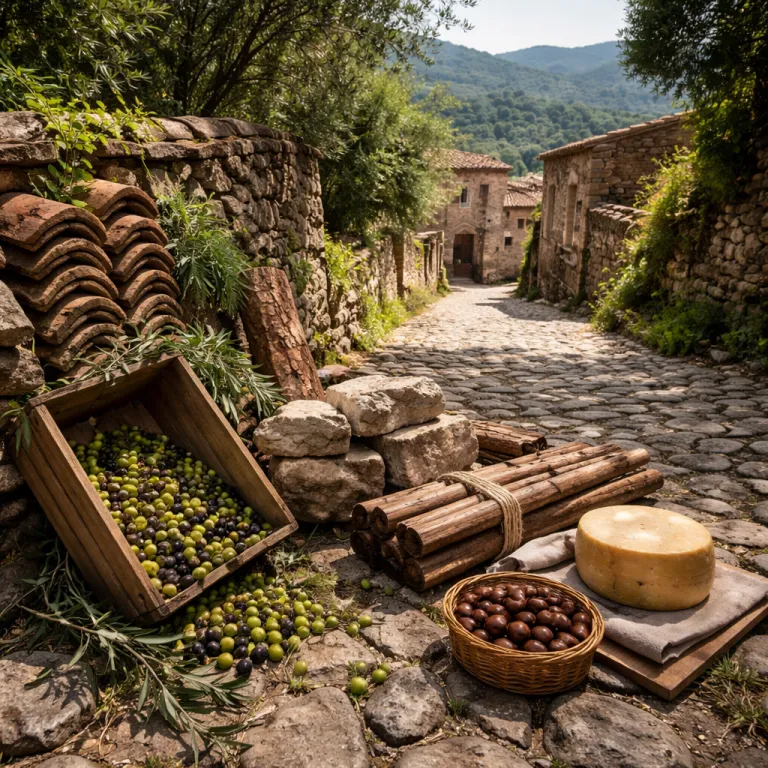
Sardinia villages tourism and the shift beyond the sea
Sardinia villages tourism 2026 is no longer a planning slogan; it is a structural shift that will change how high end travelers use the island as a base. In a resolution approved in early 2024, the Regione Autonoma committed 38 million euros to 15 inland and coastal villages, each receiving around 2.5 million euros to elevate village tourism, protect pristine nature and reduce pressure on crowded coastal towns in the peak summer months. According to the official budget note, the funding is scheduled to be allocated over several years, with initial works focused on access, signage and basic visitor services. For guests booking luxury hotels, this means a trip to Sardinia can now combine a refined stay by the sea with curated village visits inland, turning a simple beach holiday into a layered cultural experience.
The selected villages stretch across the Mediterranean island like a slow travel path, from Bosa and Castelsardo on the sea to Aggius, Atzara, Gavoi and Laconi in the interior. These towns already offer a rich history, medieval streets and a strong Sardinia cultural identity, but the new funding will raise the level of infrastructure, walking routes and cultural programming that independent travelers actually use. In the official press note, Regional Councillor for Tourism Franco Cuccureddu underlined that “the villages are not a side attraction but the heart of a new way of discovering Sardinia,” a statement that captures the ambition behind the plan. For those planning a short term escape in April or during July and August, the 2026 village tourism strategy will make it easier to explore both a coastal town and a mountain village in the same day without sacrificing comfort.
Regional Councillor for Tourism Franco Cuccureddu oversees the initiative, while the mayors of the 15 villages implement projects that range from restoring historic centers to developing new walking experiences. In Bosa, for example, the municipality has earmarked part of its allocation for the Malaspina castle access routes and new interpretive panels, while Aggius is focusing on extending its network of stone shepherd paths into signed hiking loops. Other deliverables mentioned in the regional documents include small visitor hubs, upgraded trailheads and coordinated cultural calendars. The official objectives are clear: enhance village tourism, combat depopulation and create local employment, while promoting slow travel that works year round rather than only in the summer months. For luxury travelers, the practical impact is straightforward: better signed paths, more polished travel guide content and higher quality local cuisine experiences that can be paired with a stay in Porto Cervo, Porto Conte or other five star coastal bases.
Where to go now: the most compelling villages for luxury base camps
Several of the 15 villages already feel ready for discerning travelers, even before the full Sardinia villages tourism 2026 upgrades arrive. Bosa, with its pastel houses stacked above the Temo river, offers a compact historic center where medieval streets climb towards the Malaspina castle and day trips to the sea remain easy. Castelsardo, another coastal town in the north, combines a dramatic cliff top fortress with access to quiet coves, giving travelers the best of both the Mediterranean and village tourism in a single trip.
Inland, Aggius and Tempio Pausania sit in granite country where cork forests and stone shepherd paths define the landscape, and here pristine nature is the real luxury amenity. Gavoi, near Lake Gusana, and Atzara in the Mandrolisai wine area, are already known for festivals, local cuisine and strong Sardinia cultural traditions that reward slow village visits outside the crowded July August window. One recent visitor described arriving in Gavoi on a misty evening, hearing only church bells and the clink of plates from a tiny trattoria, then waking to a clear view over the lake before driving back to a beachfront suite on the north coast. For travelers who want to go deeper into Barbagia, pairing a high comfort agriturismo with a culinary journey through mountain kitchens, the detailed food focused travel guide on the pecorino trail in Barbagia at Stay in Sardinia offers a useful starting point.
On the south western side of the island, the project touches Sardara and Sadali, which sit on a quieter path far from the Costa Smeralda but close to thermal springs, waterfalls and dense nature. These towns are ideal for travelers who want to explore Antioco island and Sant Antioco during the day, then retreat inland for cooler evenings and a different level of silence. As the Sardinia villages tourism 2026 program unfolds, regional schedules indicate more structured experiences such as guided walks, wine tastings and artisan workshops that can be slotted between sea swims and long lunches on the coast.
Timelines, slow travel and pairing villages with coastal luxury stays
The revitalization project was announced in April and publicized days later, with the first Jana walking route initiative launched shortly after, so early signs of change are already visible in some towns. In Oliena, for instance, the municipality has begun mapping new links between the historic center and nearby springs, while in Posada the focus is on connecting the medieval quarter with coastal paths. Over the next few years, travelers focused on Sardinia villages tourism 2026 can expect incremental improvements rather than a single grand opening moment, from restored facades in historic centers to new signage on rural paths that link village to village. For luxury hotel guests, this phased approach means each trip to Sardinia can add a new layer of experiences, whether that is a morning exploring medieval streets in Posada or an afternoon tasting Vermentino near Oliena.
The strategy aligns with the wider rise of slow travel across the Mediterranean, where travelers use a single high quality base and then explore nearby villages by car, e bike or on foot. In Sardinia, that might mean a design forward property in Porto Cervo or a discreet resort near Porto Conte, combined with day trips to Aggius, Galtellì or Lollove to experience village life at a different level of intensity. Our elegant guide to the best hotels on the beach at Stay in Sardinia helps travelers choose a coastal base, then plug in inland excursions that match their interests, from archaeology to food to contemporary art.
Improved air links, such as the nonstop route between New York JFK and Olbia highlighted in our analysis of how new flights change the Sardinia equation, make short term high end trips more viable, but they also increase pressure on the sea focused resorts. The village tourism initiative, backed by the Regione Autonoma and local municipalities, is designed to spread that demand inland and across the shoulder seasons, turning Sardinia villages tourism 2026 into a practical framework for more balanced travel. For solo explorers, the result is a Mediterranean island where a single travel guide can now credibly suggest both Porto and mountain, both town and village, both sea and pristine nature in one coherent itinerary.