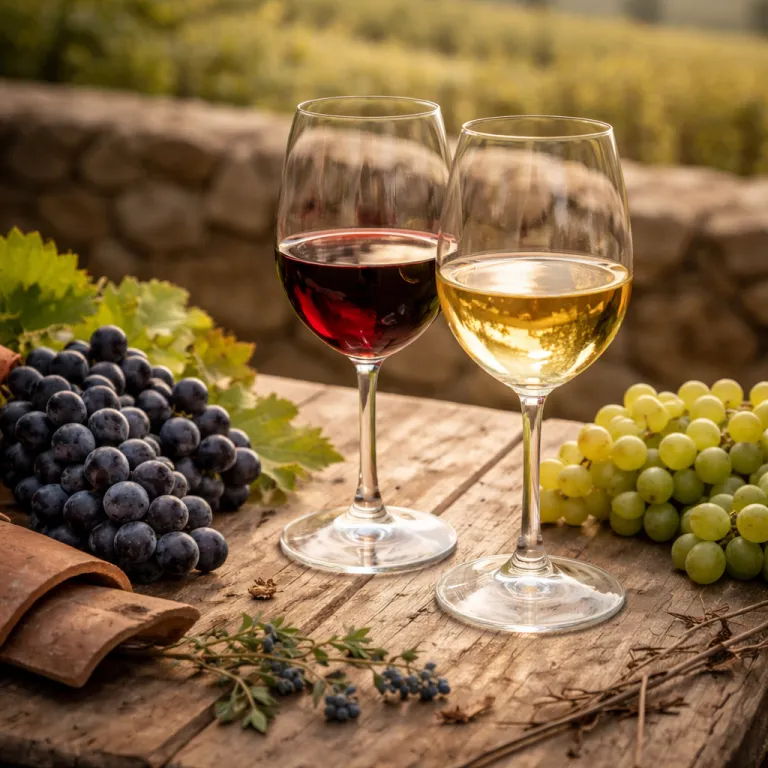
Why sardinia wine belongs on every luxury itinerary
Sardinia is not just an island of turquoise coves and granite headlands. It is also a serious Sardinian wine destination, where Cannonau and Vermentino shape long dinners and slow afternoons in shaded courtyards. For couples planning a high quality stay, understanding the island’s wines turns every check in and every tasting into part of the journey.
Unlike many regions in mainland Italy, this island still feels defiantly rural, and winemaking here is woven into daily life rather than staged for coaches. You taste it in a glass of white wine poured beside grilled mullet, or in a deep red served with slow roasted lamb in a stone farmhouse. When you read this Sardinia wine guide as you plan where to sleep, you are really choosing which vineyards and grape varieties will frame your evenings.
Local producers combine traditional viticulture with modern winemaking techniques, so you will find both rustic cellars and polished tasting rooms attached to design forward hotels. The goal across the island is simple: promote Sardinian wines while keeping their character intact. As one regional summary from the Consorzio di Tutela Vini di Sardegna notes, “growing interest in indigenous grape varieties” sits alongside “increased production of quality wines” — a balance that benefits every guest who decides to visit, according to its published reports.
The big two in any sardinia wine guide: cannonau and vermentino
Cannonau is the red grape that anchors almost every serious Sardinia wine list. Officially a red grape variety widely grown in Sardinia, it covers roughly 30% of the island’s vineyard area, with the highest production in Ogliastra and Barbagia according to regional statistics from the Consorzio di Tutela Vini di Sardegna. In the glass, this Sardinian wine feels warmer and more Mediterranean than many red wines from mainland Italy, with sun baked herbs, red cherry and plum fruit, and a gentle grip that loves grilled meats.
Vermentino plays the white counterpoint, a white grape variety that thrives in sea breezes and granite soils. When you order Sardinian Vermentino as a chilled white wine aperitivo on a hotel terrace, you taste salt, citrus and wild herbs rather than neutral fruit. The most famous expression is Vermentino di Gallura, bottled under the prestigious Gallura DOCG label, and any serious Sardinia wine guide will tell you this is the best place to start if you enjoy structured, age worthy whites with notes of lime, Mediterranean scrub and almond.
Beyond Gallura DOCG, look for Vermentino Sardegna and other Sardegna DOC bottlings on restaurant lists from Cagliari to Santa Teresa. These DOC wines can be more relaxed, often perfect with local seafood and bottarga, and they usually offer excellent value by Italian standards. Before you book your stay, read an article about Cagliari’s new tourist tax and other practicalities, then plan at least one evening focused entirely on a Cannonau and Vermentino tasting flight, ideally comparing a Vermentino di Gallura with a fresher Vermentino Sardegna; expect to pay roughly €15–€30 per person for a standard 45–90 minute session at most estates.
Deep cuts: rare grape varieties and the regions that guard them
Once you have met Cannonau and Vermentino, the island starts to reveal its quieter grape stories. Carignano del Sulcis, Bovale, Cagnulari, Torbato, Nasco and Nuragus are the names you will see on labels in serious winery tasting rooms, especially if you visit smaller family estates. Each grape variety has its own pocket of Sardinia, and part of the pleasure is driving there from your hotel through cork oak and macchia, timing visits for cooler morning or late afternoon slots in high summer.
In Sulcis, on the island’s southwestern edge, old bush vines of red grape Carignano cling to sandy soils that are often described by local producers as naturally resistant to phylloxera. Barbagia and central Sardinia nurture Bovale and Cagnulari, muscular red grapes that pair beautifully with porceddu and aged pecorino on long agriturismo tables. Along the southern coast, Nuragus and Nasco appear as fresh or gently aromatic white wines, often under the Cagliari DOC label, and they are ideal with raw seafood and local shellfish, especially when served well chilled in the heat of July and August.
For couples who care as much about food as about where they sleep, these lesser known grape varieties are a reason to choose inland properties or agriturismo style stays. A thoughtful Sardinia wine guide will always point you toward vineyard to table experiences, and this is where Sardinia excels. To go deeper into that world, read article features on the island’s agriturismo renaissance and then align your bookings with the estates whose wines you most want to taste, checking in advance whether visits are by appointment only and whether you will need a rental car or private driver to reach them.
Where to stay for serious tasting: gallura, sulcis and beyond
Gallura in the northeast is the natural base for anyone chasing the best Vermentino Gallura experiences. Here, granite outcrops, wind bent juniper and sea views frame vineyards that feed Gallura DOCG cellars, and many luxury hotels work closely with nearby winery partners. A refined coastal stay near Santa Teresa or Porto Cervo lets you move easily between a private cove in the morning and a Vermentino focused tasting room in the late afternoon, often with prebooked slots that last around 60 to 90 minutes.
One elegant option is to book a property that already curates Sardinian wine for its guests, rather than leaving you alone with a long list. For example, a refined coastal hotel in Porto Cervo might offer tailored tastings that highlight Sardinian Vermentino alongside Cannonau and rarer wines from across the island, pouring labels such as Vermentino di Gallura Superiore or Cannonau di Sardegna Riserva from respected producers like Capichera, Piero Mancini or Tenute Olbios. You can read a detailed review of such a refined Sardinian coastal stay to understand how a strong wine program elevates even a short visit.
On the opposite side of Sardinia, Sulcis and the western coast reward travelers who are willing to drive a little further from the airport. Here, estates such as Sella & Mosca near Alghero, Cantina Santadi in Sulcis and Agricola Punica in the southwest showcase both red and white grape varieties, often under the Sardegna DOC umbrella. Choose a countryside retreat or a coastal hotel with easy access to these wineries, and you can build days around unhurried tastings followed by sunset swims, allowing at least one full day for cellar visits so you are not rushing between appointments or long transfers.
How sardinian wine shapes the table: pairings, etiquette and buying bottles
Sardinian wine is never just a drink; it is a lens on the island’s food culture. Cannonau and other red wines sit naturally beside porceddu, grilled lamb and aged pecorino, while Vermentino and other white wines flatter bottarga, raw prawns and simply grilled fish. A thoughtful Sardinia wine guide for couples will always link grape varieties to specific dishes, because that is how locals think about wine, and why many restaurants offer tasting menus with matched glasses.
At serious estates, tasting etiquette is relaxed but respectful, and reservations are expected for any in depth visit. You will usually be welcomed into a tasting room or shaded courtyard, guided through a flight that might include a Sardinian Vermentino, a structured red grape blend and perhaps a sweet wine to finish, with pours sized so you can drive safely afterward. Many wineries encourage you to buy direct, both to secure high quality bottles that never leave the island and to support local winemaking families; typical cellar door prices for good Sardinian wines range from about €10–€20 for everyday labels to €30 and above for top selections.
When you plan to bring bottles home to Italy or beyond, ask the winery about shipping options and airline friendly packaging. Larger estates such as Sella & Mosca are used to international visitors and can advise on limits, while smaller local producers may offer more intimate tastings but less logistical support. Either way, building your hotel choices around access to these experiences turns a simple beach holiday into a quietly ambitious exploration of Sardinia wine and the people who make it, especially if you factor in driving times, taxi availability and the occasional need for a private transfer after generous tastings.
FAQ
What is Cannonau and why is it important in Sardinia ?
Cannonau is the main red grape in Sardinia and covers around 30% of the island’s vineyard area, especially in Ogliastra and Barbagia, according to regional consorzio data. It produces generous, warm red wines that pair well with grilled meats and traditional dishes such as porceddu. For many visitors, tasting Cannonau in its homeland is a key part of understanding Sardinian wine culture.
What is Vermentino and where should I taste it on the island ?
Vermentino is the leading white grape in Sardinia, producing aromatic, saline white wines that work beautifully with seafood. The most prestigious area is Gallura in the northeast, home to Vermentino di Gallura under the Gallura DOCG designation. Staying near Santa Teresa or Porto Cervo gives easy access to wineries that specialise in high quality Vermentino tastings, especially from late spring to early autumn when cellars run regular visitor hours.
What is Cagnulari and how does it differ from Cannonau ?
Cagnulari is a lesser known red grape variety from Sardinia, grown mainly in the northwest around Sassari and Alghero. Its wines are typically darker and more structured than many Cannonau bottlings, with firmer tannins and spicy notes of black pepper and wild berries. It is an excellent choice if you enjoy characterful red wines and want to go beyond the island’s most famous grape.
Are winery visits in Sardinia suitable for couples on a short trip ?
Yes, many wineries in Sardinia are well set up for short, focused tastings that fit easily into a coastal or city based stay. Estates near major hubs such as Alghero, Cagliari and Gallura’s resort towns often offer bookable visits with clear time slots, typically lasting one to two hours. Choosing hotels within a short drive of these producers makes it simple to add one or two tastings to a long weekend.
How does Sardinian wine compare with wines from mainland Italy ?
Sardinian wines tend to feel more Mediterranean and island driven than many mainland Italy counterparts, with a strong sense of local grape varieties and traditional food pairings. Cannonau and Vermentino show distinct profiles shaped by sea breezes, granite soils and low yielding vineyards. For travelers, this means that even familiar Italian grapes can taste surprisingly different when enjoyed in Sardinia, especially when matched with local dishes in their home terroir.