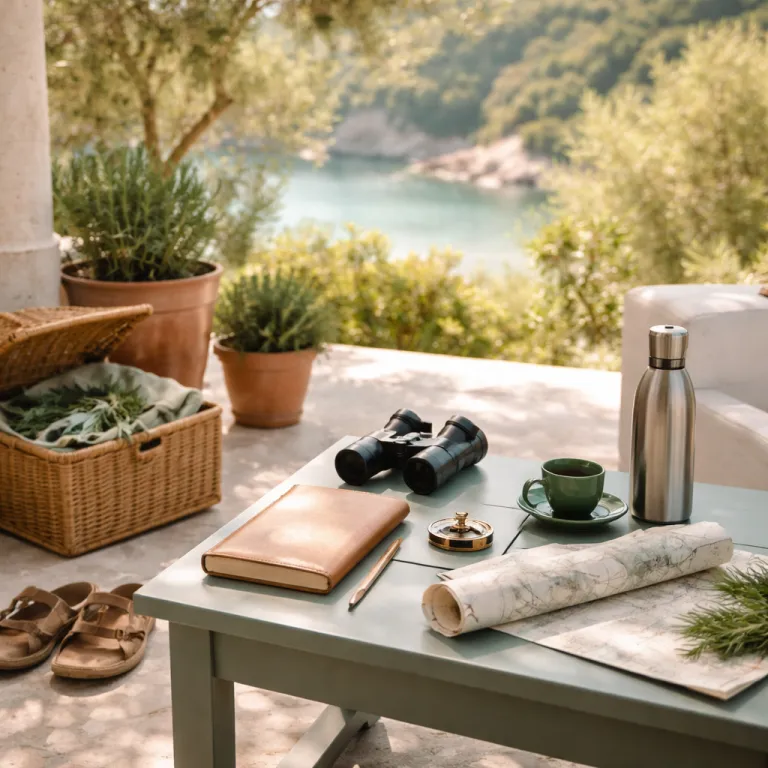
Slow travel Sardinia: luxury redefined by time, place and people
Slow travel Sardinia as the new luxury benchmark
On this island, luxury is no longer about collecting resorts. In Sardinia, the most rewarding trips unfold at a slow pace that lets the landscape, the people and the food settle into your system. Embracing slow travel here turns a standard holiday into an experience that feels closer to a sabbatical than a quick escape.
Executives used to back-to-back meetings often arrive with a checklist of beaches, tours and restaurant reservations. The island quietly resists that tempo, because the best things in Sardinia reveal themselves only when you stay still long enough to notice the light changing on a granite ridge or the way a local winemaker talks about a single vintage of Sardinian wine. This is where slow tourism becomes a form of recalibration rather than a trend, and where a carefully chosen hotel booking can either support or sabotage that reset.
Travelling slowly in Sardinia is not about doing less; it is about doing fewer things with more attention and more context. A single road trip from Cagliari to Alghero, broken into three or four nights in the interior, can deliver more meaningful experiences than a frantic loop of the entire island. When you read this approach against the rise of agriturismi and design-forward coastal retreats such as Su Gologone Experience Hotel in Oliena or Petra Segreta Resort & Spa in San Pantaleo, you see an island in Italy that is quietly rewriting what luxury tourism looks like.
The case against island hopping itineraries
Traditional itineraries still push visitors to race from Costa Smeralda to Alghero, then down to the south, in a single week. That kind of travel might tick off famous beaches and a beach club or two, but it flattens Sardinia into a backdrop rather than a place with its own rhythm and slow food culture. The result is a trip that feels busy yet strangely thin on real experience.
Slow travel on the island argues for depth over distance, and recent regional data points in the same direction. Farm stays across Sardinia have multiplied several times over in the last decade, according to summaries from regional agricultural and tourism departments, driven by guests who want local food, wine tasting and time with local artisans rather than another identical pool. Regional tourism reports indicate that around a quarter of visitors who choose slower, experience-led stays say they come for authentic and regenerating experiences, effectively voting against the rushed tour model with their booking choices.
For a business-leisure traveller, this matters. One week based near a single stretch of crystal-clear coastline, with curated slow tours into the hinterland, allows you to work in the morning and then sink into long, layered experiences in the afternoon. You still reach hidden beaches, meet local guides and taste serious food-and-wine pairings, but you do it without the constant packing, driving and reorienting that quietly drains most trips.
How hotels are quietly redesigning the pace
Luxury properties across Sardinia have started to internalise this shift toward slow travel. Instead of pushing nightly churn, many now structure weekly rates that reward guests who commit to staying put and exploring at a slow pace. This is not a discount strategy; it is a philosophical one that recognises how the island actually works.
On the coast near Costa Smeralda, high-end hotels that once sold only short, high-season stays now build multi-day experiences around wine tasting, local food workshops and private slow tours into Gallura’s granite hills. Inland, restored manor houses and farm estates such as Su Gologone or Is Cheas Wine & Boutique Farm in San Vero Milis partner with local artisans, organic farmers and traditional artists to offer small groups access to weaving studios, cheese making and vineyard walks. These experiences, Sardinia style, are not add-ons; they are the new core product for a certain kind of guest.
Operators such as Sardinia Slow Experience and Sardinia Like a Local, both based on the island, have become quiet architects of this movement. They design small-group tours that prioritise walking, cooking classes and artisan workshops over bus transfers and rushed sightseeing. Their methods are simple but effective: small groups, local guides and flexible itineraries that can bend around weather, harvests and village festivals rather than forcing the island into a rigid schedule.
From spa checklist to genuine reset for executives
For the executive extending a business trip into leisure, Sardinia offers a different kind of decompression. The classic spa weekend, with its scheduled massages and obligatory detox menu, often feels like another project to manage. A slower, more immersive way of travelling here uses the island’s natural pace to create a reset that is less about treatments and more about how you move through each day.
Consider the difference between a standard resort stay and a carefully chosen coastal property that understands slow tourism. At the former, you might shuttle between meeting rooms, a generic spa and a crowded beach club, never really touching the local culture or the Sardinian landscape. At the latter, your booking might include a late start, a morning swim in crystal-clear water, a long lunch built around local food and wine, and an unhurried afternoon spent on a slow tour with a guide who grew up nearby.
This is where wellness becomes structural rather than cosmetic. A hotel that embraces a slower pace in Sardinia will design experiences that stretch across several days, such as a progressive food-and-wine journey through neighbouring villages or a series of short, guided hikes instead of a single punishing trek. The goal is not to exhaust you with things in Sardinia to do, but to let the island’s rhythm slowly overwrite your usual tempo.
What ‘slow’ looks like on the ground
Slow travel is often misunderstood as simply moving slowly, but in Sardinia it is more precise. It means staying long enough in one place to build a relationship with the staff, the local artisans and even the coastline itself. It also means choosing experiences that are designed for small groups or even solo travellers, rather than mass tourism tours.
On a typical day in Barbagia, the mountainous heart of the island, slow travel might start with a breakfast of local bread, pecorino and honey at your agriturismo. From there, a guide from a specialist slow-tour operator could lead you through a village where murals tell the story of migration, resistance and everyday life, before introducing you to a family that still makes Cannonau wine in a stone cellar. The afternoon might be spent in an artisan workshop, learning how a single pair of hands can turn raw wool into a rug that will outlast most hotel trends.
Contrast that with a day in Porto Cervo built around a conventional luxury script. You might move from yacht to beach club to designer store, with a quick lunch and a late dinner that could be in any high-end resort in Italy. Both days involve tourism and both count as travel, but only one gives you an experience Sardinia can own, and only one will feel like a genuine reset when you return to your desk.
Where spa culture meets slow travel
Some of the most interesting properties on the island are those that blend serious spa credentials with a commitment to slow tourism. These hotels understand that a thalassotherapy circuit is only as restorative as the context around it. They build programmes that alternate between treatments, time in nature and encounters with local culture, rather than stacking appointments back to back.
If you are weighing options, look for spa hotels in Sardinia where thalassotherapy meets the Mediterranean, and then read how they talk about their wider experiences. The most forward-thinking properties will mention small-group activities, local food partnerships and curated tours that reach beyond the hotel gates. They will also be transparent about how they support local communities, whether through sourcing, employment or collaborations with local artisans.
When you read article-style content on these hotels, pay attention to the verbs. Are they promising to keep you busy with endless things Sardinia can offer, or are they inviting you to slow down, stay longer and let the island set the agenda? The latter is the language of genuine slow travel in Sardinia, and it is the language that should guide your booking decisions.
How luxury hotels are adapting to Sardinia slow tourism
The most interesting shift in Sardinia’s high-end hospitality is not aesthetic. It is operational, and it is driven by guests who are willing to trade variety for depth, provided the experiences are well curated. Slow travel on the island has become both a philosophy and a business model.
On the coast, properties that once lived entirely off short, high-season stays are now experimenting with longer minimum stays and weekly pricing. This encourages guests to settle into a single bay, explore hidden beaches nearby and treat the hotel as a base for slow tours rather than a trophy stop on a whirlwind itinerary. Inland, former manor houses and farm estates are positioning themselves as anchors for slow tourism, offering packages that weave together wine tasting, cooking classes and visits to local artisans.
These changes are not theoretical. A multi-million-euro investment programme, reported by the Autonomous Region of Sardinia and Italian tourism media, is targeting a cluster of inland villages with the explicit goal of growing cultural tourism and countering depopulation. Public documents describe around 38 million euros being allocated to 15 historic centres for heritage restoration, public spaces and visitor infrastructure that make it easier for high-end travellers to spend several nights inland without sacrificing comfort. For a luxury hotel booking platform focused on Sardinia, this opens a new layer of product beyond the usual coastal icons.
Weekly rhythms and curated experiences
Luxury in Sardinia now often comes packaged as a week, not a night. A typical seven-night stay on the north-east coast might include two days of pure beach time, two days of guided exploration inland, a dedicated food-and-wine immersion and a flexible day left open for whatever the island suggests. Hotels that understand slow travel build their operations around this rhythm, from staffing to partnerships.
Instead of offering a long list of generic tours, these properties work with specialists such as Sardinia Slow Experience or Sardinia Like a Local to design small-group or private experiences Sardinia can be proud of. One day might focus on a slow tour through Gallura’s cork forests, with a stop at a family-run winery for a focused wine tasting. Another might take you to a coastal village where local food traditions are still intact, ending with dinner cooked over open fire rather than plated in a show kitchen.
For travellers comparing regions, a coast-by-coast breakdown for first-time visitors to Sardinia can be invaluable. It helps you understand which areas lend themselves to a road trip, which are better for a single base and which combine easily if you have more than ten days. The key is to resist the temptation to string together too many coasts, and instead choose one or two that align with your preferred balance of beaches, culture and slow pace.
Partnerships that keep money on the island
Slow tourism is not only about how you move; it is about where your money goes. Hotels that take this seriously build deep partnerships with local artisans, organic farmers and traditional artists, rather than importing generic luxury experiences. They understand that the best things in Sardinia often come from the next village, not from a catalogue.
When you read article descriptions of hotel experiences, look for specificity. Do they name the vineyard where your wine tasting will take place, the shepherd who supplies the pecorino, the ceramicist whose work appears in your room? Or do they rely on vague promises of local food and culture without any real detail?
For a business-leisure traveller, this level of partnership translates into richer experiences with less effort. You can step out of a video call and straight into a small-group workshop with a weaver, or a guided walk to a nearby nuraghe followed by a tasting of Sardinian wine under an oak tree. That is slow travel Sardinia at its most efficient: high impact, low friction and deeply rooted in place.
Where to stay for a slow pace: coast, countryside and hidden gems
Choosing the right base is the single most important decision for slow travel in Sardinia. The island is large, the roads are winding and the temptation to overschedule is strong. A thoughtful booking in the right area can turn a good trip into an experience Sardinia will etch into your memory.
On the north-east, Costa Smeralda still delivers some of the most photogenic beaches and crystal-clear coves in Italy. The key for slow tourism is to choose properties that sit slightly back from the busiest marinas, with easy access to both the coast and the granite interior. From there, you can spend unhurried days between a quiet beach club, a long lunch in a village trattoria and an evening wine tasting at a nearby estate.
Alghero, on the north-west coast, offers a different proposition for slow travel in Sardinia. Here, Catalan heritage, a walkable old town and a string of accessible beaches make it easy to balance work and leisure without a car-heavy road trip. A stay in or near the historic centre allows you to move mostly on foot, dipping into local food markets, small wine bars and sunset walks along the bastions between calls.
Hidden beaches and inland retreats
For travellers who equate luxury with privacy, Sardinia’s hidden beaches and inland valleys are the real prize. These are the places where slow tourism feels least like a concept and most like a way of life. They are also where the gap between a generic hotel and a carefully chosen property is most obvious.
Along the Gulf of Orosei, for example, a handful of properties work with local skippers to organise small-group boat tours to coves that are inaccessible by road. Instead of a rushed circuit of ten beaches, you might spend an entire day between two, with time to swim, read and linger over a simple lunch of grilled fish and local wine. Inland, in regions like Barbagia or Marmilla, restored farmhouses offer stays where the main experiences are conversations, meals and walks rather than formal tours.
If your priority is refined coastal escapes with a slow pace, look for curated guides to Sardinia’s beach resorts that emphasise context over spectacle. The most useful resources will talk about wind patterns, driving times and nearby villages, not just the colour of the water. They will also be honest about which areas are better suited to families, couples or solo business travellers extending a work trip.
Designing your own slow tour of the island
Planning a slow travel itinerary in Sardinia starts with a decision: one base or two, and how many nights in each. For a first trip that blends business and leisure, one coastal base plus a shorter inland stay often works best. This keeps transfers manageable while still giving you a sense of the island’s dual personality.
Begin by reading a detailed coast-by-coast breakdown of Sardinia’s luxury hotel landscape, then map that against your own rhythm and non-negotiables. Do you need reliable connectivity for calls, or can you afford a few days off grid in the interior? Are you more drawn to food-and-wine experiences, artisan encounters or long, empty beaches?
Once you have that clarity, use slow travel principles to structure your booking. Allow at least four nights in each place, build in one completely unscheduled day per base and prioritise experiences that involve small groups, local guides and direct contact with local food and wine. As one local expert puts it with disarming simplicity, “What is slow travel? Travel focusing on immersion and sustainability.”
Key figures shaping slow travel in Sardinia
- Regional tourism summaries suggest that roughly one in four visitors choosing slower, experience-led stays in Sardinia cite authentic and regenerating experiences as their primary motivation; this underpins the shift from rushed tours to longer, deeper stays.
- Farm stays and agriturismi across Sardinia have grown severalfold in recent years, according to data released by regional agricultural agencies and national agritourism associations, reflecting a strong demand for local food, wine and cultural immersion rather than conventional resort experiences.
- A publicly announced investment programme of around 38 million euros is targeting 15 inland villages in Sardinia to develop cultural tourism and combat depopulation, as reported by the Autonomous Region of Sardinia and Italian tourism media, signalling a strategic move to spread visitor flows beyond the beaches and support slow tourism inland.
- Recognition from major travel guides and international media has increasingly focused on Sardinia’s interior landscapes and cultural heritage rather than only its beaches, reinforcing the island’s positioning as a laboratory for slow travel in Italy.
- Local operators such as Sardinia Slow Experience and Sardinia Like a Local report growing interest in small-group tours, walking itineraries and artisan workshops, confirming that high-end travellers are seeking experiences Sardinia can uniquely provide.