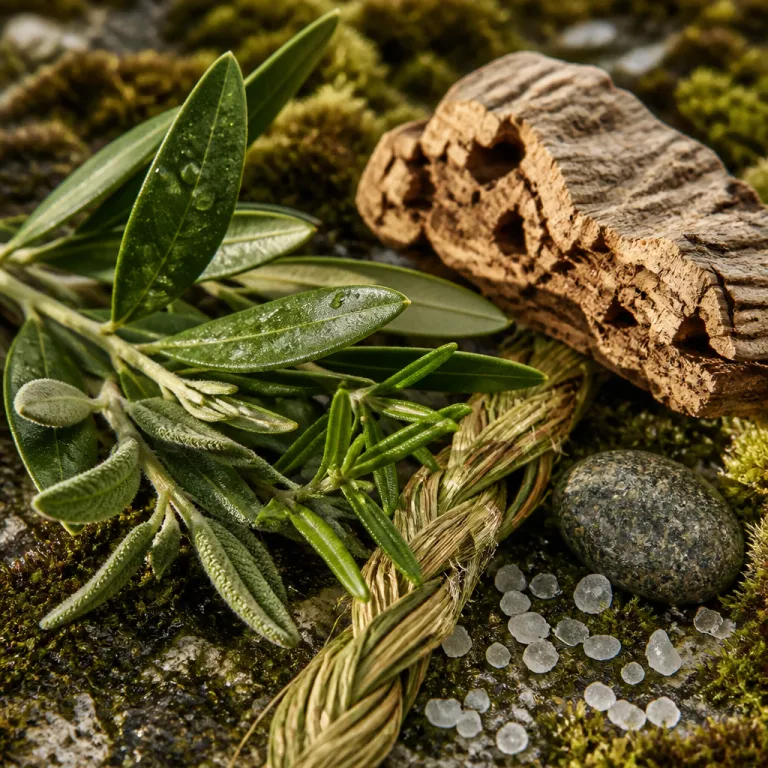
Why peak season in Sardinia now belongs to the eco-conscious traveler
High summer in Sardinia used to mean traffic jams to the same coves and a style of tourism that treated the island as a backdrop. Today, the conversation around Sardinia eco tourism and sustainable travel is reshaping how discerning guests move, sleep and spend along this wild Italian island. If you are planning to spend time in Sardinia for a week or more, your choices in accommodation facilities, transport and timing will directly influence the environmental impact of your stay.
The island’s government now limits access to several beaches, with La Pelosa capped at 1,500 people per day and Cala Goloritzé at 250, figures confirmed by local municipal ordinances and regional tourism portals such as the official Stintino and Baunei websites. These quotas protect fragile nature and the Posidonia meadows that keep the sea that impossible shade of turquoise, while also nudging tourism in Sardinia away from mass day tripping and toward longer, more responsible stays. As Sardinia courts record tourism numbers, the smartest luxury travelers are quietly shifting inland to a natural park, a hilltop village or an eco-conscious resort where the breeze, not the beach club playlist, sets the rhythm.
Summer from June to September is still the main season for tourism, but the pattern is changing as more guests seek eco-friendly experiences and small, friendly accommodations that feel rooted in local communities. Sardinia Fair Travel and Eco Sardinia, two respected tour operators cited by the Sardinian ecotourism network and regional tourism boards, now curate itineraries that prioritise slow travel, waste management awareness and low impact activities on both sea and land. Their work feeds into a broader responsible travel movement that treats Sardinia as a living, breathing island rather than a resort backdrop, and that shift is exactly where luxury and responsibility finally meet.
Eco-certified stays: how luxury hotels are rethinking the Sardinian summer
For a business-leisure traveler landing in Cagliari or Olbia, the first real decision is where to sleep, and this is where Sardinia eco tourism principles become tangible. SardiniaNatour’s network of around 40 companies, as reported in its public sustainability charter and membership list, has become a quiet benchmark, bringing together hotels, agriturismi and tour operators that commit to measurable standards rather than vague green slogans. Their certification focuses on energy efficiency, water use, waste management and genuine engagement with local communities, which matters far more than a token towel reuse card.
When you filter your search for sustainable accommodation, look for properties that publish clear data on their environmental impact and that can explain, in English or German, how they source food, manage waste and support staff from nearby villages. Many of the most interesting resorts now sit on the edge of a protected area or natural park, trading immediate beach access for views over cork oak forests, vineyards and breathtaking landscapes that feel almost private. Pairing such a stay with a visit to a coastal property from our guide to elegant hotels near the finest beach clubs in Italy lets you balance sea and land without overloading any single stretch of coastline.
On stay-in-sardinia.com, we prioritise accommodation facilities that can show concrete eco-sustainable practices, from solar panels to greywater systems and serious recycling. One coastal hotel we feature reports, in its annual sustainability report, cutting its electricity use by roughly 20% per guest night after installing solar thermal panels and LED lighting, and reusing more than 1,000 litres of greywater per day for irrigation in peak season. Combine such choices with evenings at zero kilometre restaurants and agriturismi, where Cannonau and Vermentino are poured beside vegetables from the garden, and you will find that sustainable tourism in Sardinia tastes as good as it feels; for a deeper dive into the island’s wines, our Sardinian wine primer is an essential companion.
Moving slowly: cycling, ferries and the interior alternative to crowded coasts
Peak season on the Costa Smeralda still has its superyachts, but the real luxury now is space, silence and the ability to move without a car. Sardinia’s forthcoming island wide cycling route, announced in regional mobility plans and highlighted in official transport documents, will stitch together coastal roads, mountain passes and inland villages, giving traveling Sardinia a new rhythm that aligns perfectly with low impact travel values. For executives extending a work trip, this means you can swap a rental car for an e bike and ride between a sea facing resort and a stone farmhouse in the hills, experiencing both sides of the island in a single long weekend.
Choosing ferries over flights where possible also reduces your environmental impact, especially if you travel light and stay longer in one region instead of hopping between multiple resorts. Once on the island, pairing trains with local tour operators and transfers from your hotel keeps your footprint low while still delivering a seamless, high service experience. Inland, in areas like Barbagia or the Supramonte, you will find villages where shepherds still cross the land at dawn, and where sustainable tourism feels less like a slogan and more like the only way to experience Sardinia with integrity.
Beach access rules now require reservations for several coves, and local authorities consistently advise visitors to check official municipal or regional tourism websites for up-to-date booking procedures. Our dedicated guide to what the new beach booking rules mean for your trip explains how to secure your slot without stress, especially in the height of summer. By combining reserved coastal days with unhurried time in a natural park or protected area inland, you will ease pressure on the most fragile bays while gaining a far richer, more natural experience of Sardinia’s interior.
Hidden eco-luxury: where to stay and how to spend with purpose
The most interesting addresses for Sardinia eco tourism stays this summer are not always on the first page of a search engine. Look to small coastal towns like Santa Teresa Gallura or Cabras, where friendly accommodations sit a short drive or cycle from the sea yet remain deeply connected to local communities and cultural heritage. Here, a resort may be a restored farmhouse with just a handful of suites, a natural pool and a kitchen that turns the morning’s catch into dinner without anything travelling more than a few kilometres.
Inland, near the Gennargentu massif or the Giara di Gesturi plateau, you will find accommodation facilities that operate almost as micro natural parks, with their own trails, rewilded land and partnerships with guides from the ecotourism network. These properties often work closely with Sardinia Fair Travel, Eco Sardinia and Sardinia Sunset to design responsible excursions that respect protected areas and support artisans in nearby villages. “Guidelines for sustainable tourism in Sardinia” and “Lodgings minimizing environmental impact” are not abstract phrases here; they are the baseline for how these hosts operate day to day.
When you book, ask in clear English or German how the property handles waste management, whether they measure their environmental impact and what eco-friendly activities they recommend on both sea and land. The best hosts will happily outline their eco-sustainable choices, from plastic free bathrooms to electric vehicle charging and partnerships with local tour operators who cap group sizes. Spend your money where the offers include more than a spa credit, and you will help ensure that tourism in Sardinia remains both luxurious and sustainable for the next wave of travelers who want to experience Sardinia lightly; for current availability and official booking links, use stay-in-sardinia.com and the regional tourism portals as your starting point.
FAQ
How can I minimise my environmental impact when traveling to Sardinia in summer?
Choose longer stays in fewer places, ideally in sustainable accommodation that publishes its eco policies and data. Travel by ferry when practical, then rely on trains, bikes and transfers arranged by responsible tour operators once on the island. Avoid single use plastics, respect beach quotas and spend with businesses that clearly support local communities and cultural heritage.
What makes an accommodation in Sardinia genuinely eco friendly?
Genuine eco-friendly and eco-sustainable properties go beyond marketing language and can show how they reduce energy use, manage water and handle waste management. They often sit near a natural park or protected area, employ staff from nearby villages and source food from local producers. Look for clear communication in English or German, recognised certifications and partnerships with organisations such as Sardinia Fair Travel or Eco Sardinia.
How do I book access to restricted beaches in Sardinia during peak season?
Several iconic beaches now require advance reservations, with strict daily visitor limits to protect fragile nature and the sea. You must book online through official municipal or regional tourism websites, selecting a date and time slot and sometimes paying a small fee. Arrive with your confirmation ready, follow local rules on towels and smoking, and consider pairing these days with quieter inland excursions to balance your tourism footprint.
Is it better to stay on the coast or inland for sustainable tourism?
Staying inland in villages or rural resorts often has a lower environmental impact than concentrating solely on the busiest coastal strips. Inland properties help spread tourism in Sardinia more evenly, support local communities that see fewer visitors and reduce pressure on fragile dunes and bays. You can still reach the sea for day trips while enjoying cooler nights, authentic food and a more natural experience of the island’s landscapes.
How can I support local communities while enjoying a luxury stay?
Book accommodation facilities owned or managed by residents, then spend with nearby restaurants, wineries and artisans rather than international chains. Join small group experiences with local tour operators, from vineyard visits to guided hikes in a natural park, and pay fair prices rather than bargaining aggressively. This approach keeps more tourism revenue on the island and aligns your luxury stay with the principles of Sardinia eco tourism and responsible travel.