Why Sardinia’s marine reserves belong on your luxury itinerary
Sardinia is one of the rare Mediterranean islands where the sea still feels wild. Along its coasts, marine protected areas frame some of the snorkelling Sardinia best spots for couples who care as much about silence as they do about service. When you pair a refined hotel with a morning snorkel in crystal clear water, the island suddenly makes sense.
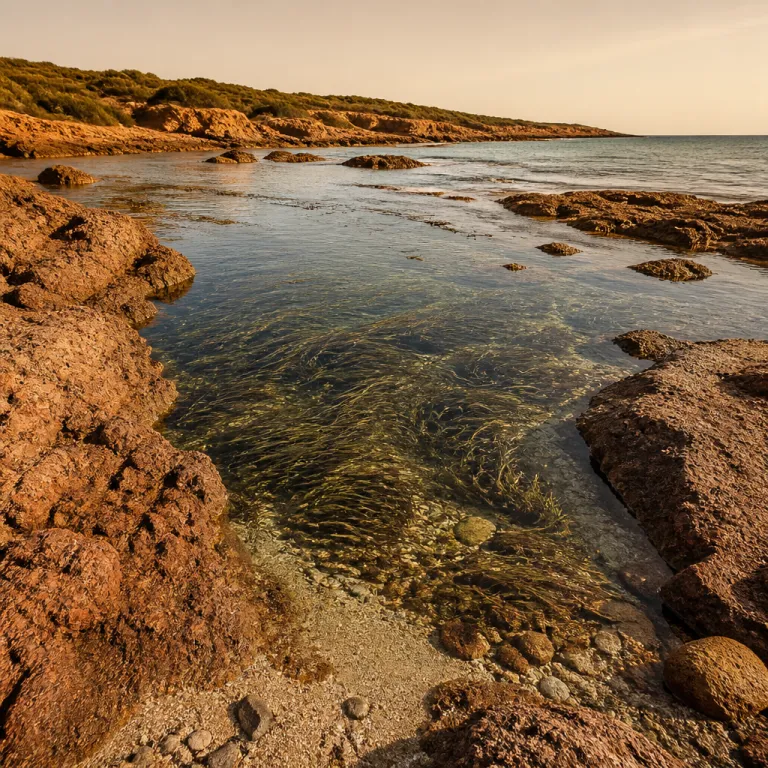
The five main reserves – La Maddalena Archipelago National Park, Tavolara–Punta Coda Cavallo, Sinis–Mal di Ventre, Capo Carbonara and Asinara – protect vast marine areas where visibility often exceeds 30 metres. These zones shelter Posidonia oceanica meadows, sculpted granite and underwater canyons rather than tropical coral reefs, yet the marine life is rich and surprisingly approachable. For travellers used to crowded beaches, the quiet rhythm of these protected places for snorkeling feels almost private.
Water temperatures usually sit between 18 and 26 °C from May to October, which shapes how you plan each snorkeling experience. In early season a thin wetsuit makes long swims comfortable, while in high summer many guests simply slip from the boat in a swimsuit. If you are curating a week of best snorkeling and sailing, these conditions make it easy to alternate lazy beach lunches with unhurried underwater sessions in different spots Sardinia offers.
Luxury in this context is not only about a suite with a sea view, but about access. A well connected concierge can secure small boat tours into restricted coves, arrange a private guide who knows every cala and choose the exact spot where the light hits the water best. On stay-in-sardinia.com we focus on hotels that understand this, properties that treat snorkeling spots as seriously as wine lists.
Planning ahead matters, especially if you want the best places to feel uncrowded even in peak months. Before you lock in your flights, read the guide to what savvy travellers book before the July rush and align your marine area excursions with your chosen coast. That way your hotel, your boat and your preferred snorkeling spots all work together rather than competing for your time.
La Maddalena Archipelago National Park: granite, islets and glassy channels
La Maddalena Archipelago National Park in northern Sardinia is a 20 000 hectare protected area of granite islands, shallow channels and luminous beaches. Here the sea feels like a lagoon, yet the underwater relief drops quickly enough to keep the snorkeling experience interesting. For couples based in Palau or on La Maddalena itself, this is often the first serious encounter with snorkeling Sardinia.
To reach the best snorkeling spots, you usually join small boat tours that weave between the islands of Spargi, Budelli, Razzoli and Santa Maria. Captains know exactly which cala is sheltered from the mistral, and they time each stop so you enter the water when the light is high and the sea is at its clearest. In these channels the crystal clear waters reveal boulders carpeted with algae, clouds of small fish and the dark ribbons of Posidonia meadows.
One classic spot lies off Cala Corsara on Spargi, where you can snorkel from the boat over pale sand that amplifies the turquoise colour. Another rewarding area sits near the pink sands of Budelli, although access rules change frequently to protect the fragile beach. Always check with your tour operator whether you can enter the sea or must remain on the boat in specific zones of the national park.
Permits for commercial boat tours are tightly controlled, which keeps the number of visitors manageable even in high season. Independent travellers can still find a quiet snorkeling spot by renting a small boat with skipper and asking to avoid the standard routes. If you prefer to stay on land, some hotels on La Maddalena offer transfers to less known beaches where you can snorkel straight from the shore into clear waters with minimal effort.
For those building a wider coastal itinerary, pairing La Maddalena with a refined stay near Alghero creates a satisfying north coast arc. Use our guide to elegant hotels in Alghero for a refined coastal escape to anchor the land side of your trip, then let the islands and marine life of the archipelago provide the daily adventure. This balance between polished hospitality and raw sea is where Sardinia excels.
Tavolara–Punta Coda Cavallo and Capo Carbonara: east coast clarity
On the northeast coast, the Tavolara–Punta Coda Cavallo Marine Protected Area stretches over roughly 15 000 hectares of sea, coves and headlands. The limestone bulk of Tavolara island rises almost vertically from the water, creating dramatic backdrops for some of the best snorkeling in Sardinia. Around its base, clear waters lap against tiny beaches and rocky shelves that feel far removed from the mainland bustle.
The area around Coda Cavallo is particularly rewarding for couples who like to mix gentle hiking with snorkeling. You can walk to panoramic points above the marine area, then drop down to a sheltered cala where the sea is calm enough for long, lazy swims. From the sand you often enter over smooth rock, then glide above Posidonia meadows where bream, wrasse and the occasional octopus patrol the underwater landscape.
Farther south, near Villasimius, the Capo Carbonara Marine Protected Area covers more than 14 000 hectares of sea and coastline. Here the headland of Capo Carbonara splits currents and concentrates marine life, making it one of the best places for a varied snorkeling experience in relatively shallow water. Several beaches within the protected area offer easy access, while boat tours reach outer spots Sardinia keeps almost secret.
Local regulations divide both Tavolara–Punta Coda Cavallo and Capo Carbonara into zones with different rules. Some sectors allow free snorkeling from the beach, others restrict anchoring or require permits for organised tour activities. Before you book, ask your hotel concierge or diving centre to explain exactly where you can snorkel independently and where you should join guided boat tours to respect the protected area.
Because these east coast zones are popular with Italian families, planning is essential if you want the sea to feel untouched. Align your stay with the advice in our piece on what savvy travellers secure before summer, then reserve both your preferred hotel and your small group snorkeling tours early. That way you enjoy the best snorkeling spots with space around you, not a flotilla of inflatables.
Gulf of Orosei: cala Goloritzé, cala Mariolu and cala Luna by boat
The Gulf of Orosei on Sardinia’s wild east coast offers a different mood entirely. Here limestone cliffs plunge straight into deep blue water, and the only way to reach many beaches is by boat or on foot along demanding trails. For couples who like their snorkeling experience framed by drama, this is the coast that lingers in memory.
Three names dominate conversations about the gulf’s best places for sea immersion – Cala Goloritzé, Cala Mariolu and Cala Luna. Each cala has its own character, yet all share the same crystal clear waters and sculpted rock that make snorkeling Sardinia feel almost cinematic. Boat tours from Cala Gonone or Santa Maria Navarrese usually link several of these spots in a single day, giving you a curated tasting menu of underwater scenery.
At Cala Goloritzé, a natural rock arch and needle like pinnacle set the stage above the sea. Below the surface, pale pebbles reflect light upwards, so even a shallow snorkel reveals fish moving between boulders and Posidonia patches. Access rules here are strict, with limits on visitor numbers and controls on boat anchoring to protect both the beach and the surrounding marine area.
Cala Mariolu feels more intimate, with white pebbles that crunch underfoot and water that shifts from turquoise to cobalt within a few strokes. This is one of the best snorkeling spots Sardinia offers to beginners, because you can stay close to the shore yet still see plenty of marine life. Cala Luna, by contrast, seduces with its deep caves and longer beach, inviting you to split time between shaded sand and exploratory swims along the rocky edges.
Because these coves sit within a broader protected area, always choose boat tours that respect local regulations and use eco friendly practices. Ask specifically about group size, time in each spot and whether the captain provides guidance on where to snorkel to avoid fragile zones. This is where a quality hotel’s concierge earns their keep, steering you towards operators who treat the gulf as a national park, not a theme park.
Asinara, Sinis and practicalities: how to snorkel like a local, stay like a regular
On the northwest tip of Sardinia, Asinara National Park offers a different kind of seascape. Once a prison island, it is now a protected area where wild donkeys roam on land and groupers patrol the underwater slopes. Boat based snorkeling tours circle the island, stopping at coves where the sea is so clear that you can see the seabed from the deck.
Farther south on the same coast, the Sinis–Mal di Ventre marine area protects a low key stretch of beaches and the small island of Mal di Ventre. Here the mood is quieter than in the east, with long sandy arcs and rocky points that reward unhurried exploration with mask and snorkel. For couples staying in refined agriturismi inland, these are the closest snorkeling Sardinia best spots, ideal for day trips that end with seafood and vernaccia wine.
Wherever you go, a few practical choices will shape your snorkeling experience more than any single spot. From May to June and again from late September, a 3 millimetre wetsuit keeps you comfortable in water that hovers around 18 to 20 °C. In high summer most guests are happy in just swimwear, though some still prefer a thin shorty suit for longer boat tours that include several snorkeling spots.
Equipment quality matters, especially if you plan to visit multiple beaches and islands. Many luxury hotels now work with local diving centres that provide high end masks, fins and eco friendly gear, so you can travel light and still enjoy the best snorkeling. Always choose reef safe sunscreen, both for your skin and to respect the Posidonia meadows that function as the Mediterranean’s equivalent of coral reefs.
Local experts emphasise both the richness and the rules of these seas. As one guidance note puts it, “What marine life can I see while snorkelling in Sardinia? Expect to see groupers, sea bream, snappers, octopuses, and occasionally dolphins. Are there any restrictions for snorkelling in Sardinia's marine reserves? Yes, certain zones have specific rules; always check local regulations before snorkelling. Do I need a permit to snorkel in these marine protected areas? Permits may be required in some zones; consult local authorities or tour operators for details.” Treat those lines as your quiet manifesto, and Sardinia will reward you with a Mediterranean that still feels untouched.
FAQ
Where are the easiest snorkelling spots in Sardinia for beginners ?
For beginners, sheltered beaches inside marine protected areas work best. In La Maddalena Archipelago National Park, coves like Cala Corsara offer calm water, sandy entries and plenty of fish close to shore. On the east coast, sections of Capo Carbonara and Coda Cavallo also provide gentle access and clear visibility for a first snorkeling experience.
Do I need a guide to snorkel in Sardinia’s marine reserves ?
You can snorkel independently from many public beaches, as long as you respect local rules. A guide becomes valuable when you want to reach remote snorkeling spots by boat, understand the marine life or navigate zones with specific restrictions. For couples on a short stay, a single guided tour often unlocks more insight than several unguided swims.
What is the best time of year for snorkeling in Sardinia ?
The most comfortable period for snorkeling runs from May to October, when water temperatures usually sit between 18 and 26 °C. Early and late in the season you may want a thin wetsuit, while in midsummer a swimsuit is normally enough. Outside these months, conditions can still be beautiful, but wind and cooler water make planning more complex.
Can I see coral reefs while snorkeling in Sardinia ?
Sardinia is not a coral reef destination in the tropical sense. Instead, you explore Posidonia oceanica seagrass meadows, rocky walls and granite boulders that host groupers, bream, wrasse and octopus. The appeal lies in the clarity of the sea and the sculpted underwater topography rather than in colourful coral gardens.
How should I choose a hotel if snorkeling is my priority ?
Look for properties within easy reach of a marine protected area or national park, and ask specifically about access to boat tours and guided snorkeling. A good concierge will know which operators run small groups, respect regulations and time outings for the best light and calmest sea. If possible, choose a hotel that can arrange equipment rental on site, so you can move easily between different beaches and islands.