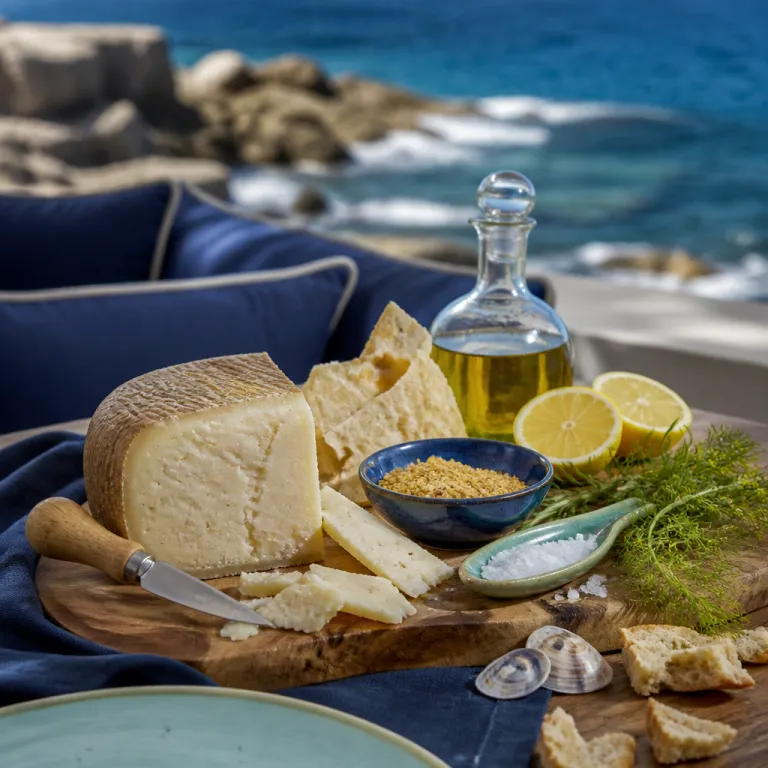
Sardinian food as the quiet luxury of your stay
Sardinian food is the most intimate way to understand this island, especially when you experience it through a luxury hotel kitchen. In premium properties across Sardinia, refined restaurants turn traditional Sardinian cuisine into elegant tasting menus that still feel deeply local and sincere. You taste a living culture, not a staged performance, when pecorino cheese, pane carasau and Mediterranean seafood are served with respect for origin and season.
High end properties now design entire itineraries around Sardinian food, pairing wine tastings with early morning visits to local farmers and fishermen. At places such as Hotel Cala di Volpe on the Costa Smeralda or Su Gologone in the Barbagia countryside, guests meet Sardinian chefs who explain how the island’s history in the western Mediterranean shaped every dish, from zuppa gallurese to spaghetti con tomato sauce and basil. These properties are frequently cited in regional tourism brochures as examples of how luxury hospitality can showcase local gastronomy in a credible way. This direct contact with producers and artisans builds trust and makes each traditional Sardinian recipe feel personal rather than distant.
For travellers comparing luxury options in Sardinia, the depth of the cuisine offering is as decisive as the view or the spa. A serious hotel restaurant will highlight pecorino sardo, fiore sardo and other sheep milk cheeses alongside grilled fish, shellfish, suckling pig and seasonal vegetables. When menus balance classic Italian cuisine with creative Sardinian dishes, you gain both comfort and a sense of place in every course, whether you dine by the pool or in a candlelit dining room.
From pane carasau to pecorino sardo: what to expect on luxury menus
Luxury hotel dining rooms in Sardinia often begin your meal with pane carasau, the famous crisp bread baked from durum wheat and brushed with olive oil. This iconic pane appears in many dishes, from simple baskets of bread to pane frattau, where it is softened in tomato sauce and served with poached egg and grated pecorino. When chefs handle these typical preparations with care, even a humble dish of bread becomes a refined expression of Sardinian food, crackling under the knife yet melting into the sauce.
Expect menus that move confidently between Italian cuisine classics and regional Sardinian cuisine signatures. A tasting might open with Mediterranean seafood alla catalana, continue with spaghetti con clams and bottarga, then progress to porceddu, the traditional Sardinian roasted suckling pig. Desserts often feature local cheese again, echoing seadas, those pastries filled with fresh cheese and honey that many travellers first meet through a gourmet guide to popular foods in Sardinia for luxury hotel guests, or during a chef’s table demonstration.
Cheese lovers will notice how pecorino, pecorino sardo and fiore sardo appear in both singular and surprising ways. One course might showcase a single slice of aged pecorino cheese with white wine from the island’s northern vineyards, while another layers several cheeses into a modern take on zuppa gallurese. By the end of a stay, many guests understand why local food culture counts well over one hundred traditional Sardinian dishes, a breadth documented in regional gastronomy surveys and in the numerous Sardinian entries listed in Slow Food Italia’s Ark of Taste catalogue.
Meeting Sardinian chefs and artisans behind the cuisine
In the best luxury hotels, Sardinian chefs step out of the kitchen to guide guests through the philosophy of Sardinian food. They explain how local farmers, shepherds and fishermen shape every menu, from the choice of sheep milk for pecorino sardo to the selection of Mediterranean seafood landed that morning. This direct storytelling turns each dish into a narrative about the island rather than a simple plate of food, and it often begins with a welcome aperitivo in front of the open kitchen.
Many premium properties now arrange private visits to traditional markets and small dairies in Sardinia. Guests watch fiore sardo and other cheeses being made, learn how olive oil is pressed, and see durum wheat milled for pasta and pane. These experiences echo the broader movement described in reports on Sardinia’s new fine dining wave, where restaurants are rewriting island cuisine without losing its roots, often in collaboration with wineries such as Argiolas or Sella & Mosca.
During chef’s table dinners, you might taste casu marzu in a controlled, educational context, alongside safer aged cheeses and carefully chosen wine pairings. One course could feature spaghetti con a reduction of tomato sauce and local olive oil, while another highlights seafood alla catalana with citrus and herbs from the hotel garden. As one guest at a coastal resort remarked after such an evening, in feedback later quoted by the hotel in its brochure, “I arrived for the sea views, but it was the stories behind every dish that made Sardinian cuisine unforgettable.” These curated encounters respect tradition, yet they also show how Sardinian cooking can evolve gracefully within the standards of international luxury hospitality.
Wine, pairings and the role of the western Mediterranean climate
The western Mediterranean climate gives Sardinia a distinctive profile for wine and food pairings. Long sunny days and coastal breezes shape white wine styles that work beautifully with seafood dishes, from raw crudo to grilled fish alla catalana with olive oil and herbs. Luxury hotel sommeliers use these conditions to build lists that frame Sardinian food as both regional and cosmopolitan, often highlighting Vermentino di Gallura, Cannonau and Carignano del Sulcis.
Expect thoughtful pairings where each dish of Sardinian cuisine is matched with a glass that highlights the island’s character. A plate of pane frattau with rich tomato sauce and pecorino cheese might be served with a structured red, while delicate Mediterranean seafood carpaccio calls for a mineral white wine. When you move to suckling pig or other meat dishes, the sommelier may introduce fuller bodied wines that still reflect Italian traditions and the island’s granite soils.
Many properties now offer guided tastings that link wine directly to local food traditions. Guests sample pecorino sardo, fiore sardo and other cheeses alongside different wines, learning how sheep milk richness interacts with acidity and tannins. These sessions often reference how Sardinia sits strategically in the western Mediterranean, absorbing influences from mainland Italian cuisine while maintaining a fiercely independent culinary identity, as noted in studies on Mediterranean diet patterns by Italian nutrition institutes and regional health agencies.
Designing a gourmet itinerary around your luxury hotel
Planning a stay in Sardinia around Sardinian food is increasingly straightforward for luxury travellers. Many premium hotels provide dedicated concierges who build itineraries that combine fine dining, local markets and countryside visits in a balanced rhythm. You might spend one day at the spa, then the next exploring an inland village famous for bread, cheese and traditional Sardinian dishes, returning in time for sunset cocktails on the terrace.
A typical gourmet day could begin with a breakfast buffet featuring pane carasau, fresh pane, local honey and sheep milk yogurt. Late morning, a driver takes you to meet farmers who supply vegetables, durum wheat and olive oil to the hotel kitchen, followed by lunch in a small trattoria where zuppa gallurese is served in clay pots. Afternoon might bring a coastal excursion to watch fishermen unload Mediterranean seafood, before returning to the hotel for a tasting menu focused on Sardinian cuisine and paired wines.
For travellers seeking restorative experiences, some properties combine wellness with gastronomy in curated programs. You might follow a forest bathing session or thalassotherapy circuit with a light menu of seafood alla catalana and seasonal vegetables, as described in guides to restorative travel in Sardinia. By alternating rich dishes like suckling pig with simpler plates of pasta, bread and salads, you enjoy Sardinian food fully while still feeling balanced and energised throughout your stay.
How luxury hotels safeguard and elevate traditional Sardinian cuisine
Luxury and premium hotels in Sardinia now play a central role in preserving Sardinian food heritage. By partnering with local farmers, fishermen and artisans, they ensure that traditional Sardinian recipes remain economically viable and culturally visible. This collaboration supports the stated regional goal of preserving culinary heritage while attracting high value tourism to the island, a priority often mentioned in Sardinia’s official tourism strategies and regional development plans.
Many properties invest in wood fired ovens, clay pots and handmade utensils to respect original cooking methods. Slow roasting techniques for suckling pig, careful preparation of zuppa gallurese and gentle handling of Mediterranean seafood alla catalana all reflect this commitment. Training programs often bring young Sardinian chefs into contact with older masters, so that knowledge about pane carasau, pane frattau, casu marzu and other complex dishes is not lost but adapted thoughtfully for contemporary palates.
Guests benefit from this work through menus that feel both luxurious and authentic. A single dinner might move from a refined pasta dish with tomato sauce and olive oil to a cheese course featuring pecorino, pecorino sardo and fiore sardo, then finish with a dessert inspired by seadas. As one local explanation puts it without embellishment, “What is porceddu? A traditional Sardinian dish of roasted suckling pig. What are seadas? Fried pastries filled with cheese and drizzled with honey. Is Sardinian cuisine spicy? Generally, it is not spicy but rich in herbs and flavors.”
Key figures shaping Sardinian food tourism in luxury hospitality
- Regional gastronomy research and local tourism reports indicate that there are well over one hundred recognised traditional Sardinian dishes, giving luxury hotel chefs a deep repertoire for tasting menus and seasonal rotations.
- Data from Italian tourism authorities show that tens of thousands of visitors each year cite food and wine as a primary reason for travelling to Sardinia, a segment that increasingly chooses premium and luxury hotels for curated culinary experiences.
- Regional hospitality surveys indicate that guests who engage in at least one guided Sardinian cuisine activity, such as a market tour or cheese tasting, show higher satisfaction scores than those who only dine in house, particularly when they meet producers directly.
- Industry data from national tourism observatories highlight that food motivated travellers tend to stay longer on the island, often extending trips by two or three nights to explore more restaurants, vineyards and inland villages linked to Sardinian food traditions.
FAQ about Sardinian food in luxury and premium hotels
What makes Sardinian food different from other Italian cuisine in luxury hotels ?
Sardinian food in luxury hotels stands out for its focus on sheep milk cheeses, Mediterranean seafood and dishes rooted in pastoral life. While Italian cuisine elsewhere may highlight pasta and tomato sauce above all, Sardinian cuisine balances these with pane carasau, suckling pig and distinctive cheeses like pecorino sardo and fiore sardo. The island setting in the western Mediterranean also brings unique herbs, olive oil styles and wine pairings to the table, giving even familiar dishes a different accent.
Which traditional Sardinian dishes should I prioritise during a short stay ?
For a brief visit, focus on a few emblematic dishes that many luxury hotel restaurants execute very well. Porceddu, the roasted suckling pig, showcases slow roasting techniques, while zuppa gallurese offers a comforting bread and cheese dish baked in broth. Add pane frattau, seadas for dessert and at least one seafood alla catalana plate to experience the range of Sardinian cuisine, from mountain flavours to coastal recipes.
Is Sardinian cuisine suitable for travellers who prefer mild flavours ?
Sardinian cuisine is generally not spicy, which suits guests who prefer gentle flavours. Most dishes rely on herbs, olive oil and the natural taste of ingredients like pecorino cheese, Mediterranean seafood and durum wheat pasta. Hotels can easily adjust seasoning, so you can enjoy Sardinian food comfortably while still tasting its typical character and aromatic depth.
Can luxury hotels accommodate dietary requirements within traditional Sardinian food ?
High end properties in Sardinia are accustomed to tailoring menus for different dietary needs. Chefs can adapt many traditional Sardinian dishes, offering gluten free bread alternatives, vegetable based sauces instead of meat broths, or seafood focused menus without dairy. Communicating your requirements in advance allows the kitchen to reinterpret Sardinian cuisine thoughtfully while respecting its core ingredients and techniques.
How can I experience local producers while staying in a premium hotel ?
Many premium hotels collaborate directly with local farmers, cheesemakers and fishermen to create immersive experiences. Concierges can arrange visits to markets, dairies and vineyards where you see pecorino sardo being made, taste olive oil at the mill or watch Mediterranean seafood being landed. These excursions deepen your understanding of Sardinian food and show how the island’s cuisine depends on close relationships between chefs and producers, even when you are based in a luxury resort.