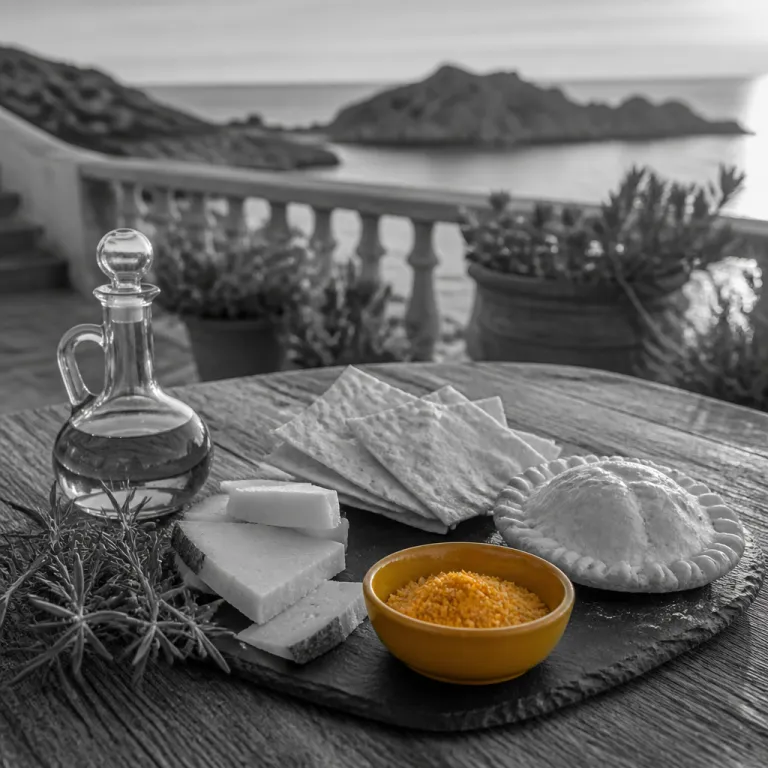
Why popular foods in Sardinia matter when choosing a luxury hotel
On a luxury stay in Sardinia, the most memorable moments often happen at the table. For many guests, the decision to book a premium room is shaped as much by Sardinian gastronomy as by sea views or spa menus. When you understand the most popular foods in Sardinia, you can choose a hotel where every meal feels like a curated journey through the island.
High end properties now work closely with Sardinian chefs and local farmers to highlight traditional recipes in refined ways. At Forte Village near Pula, for example, visiting Michelin starred chefs reinterpret classics alongside local cooks, while Hotel Cala di Volpe in Costa Smeralda collaborates with shepherds and fishermen from nearby villages. This kind of partnership means that a simple plate of pasta or a slice of pecorino cheese can express centuries of island history and careful sourcing. As one chef in Gallura told a guest, “If you know our bread and our cheese, you already know half of Sardinia.” For discerning travellers, that depth of meaning turns ordinary food into a signature luxury experience.
On this island, bread is never just bread and meat is never just meat. A basket that includes pane carasau or its sauced version, pane frattau, shows whether a hotel respects traditional techniques and uses quality durum wheat. A tasting of pecorino sardo, fiore sardo and pecorino romano reveals how seriously the property treats sheep milk cheeses and the broader culture of Sardinian food.
How hotel restaurants interpret traditional Sardinian dishes
Luxury hotel dining rooms in Sardinia rarely copy rustic dishes without reflection. Instead, they refine each traditional Sardinian dish while keeping the soul of the cuisine intact for guests who expect both authenticity and elegance. At Petra Segreta Resort & Spa in San Pantaleo, for instance, you might see zuppa gallurese served in a minimalist presentation, yet still layered with bread, local cheese and rich meat broth.
Classic pasta plates appear with polished service and precise cooking, from culurgiones filled with potato and mint to ribbons dressed in tomato sauce and olive oil. In many properties, bottarga is grated tableside over pasta or sliced as an appetizer, echoing the expert explanation: “How is bottarga used? Grated over pasta or sliced as an appetizer.” This kind of table theatre suits premium dining and helps guests understand why bottarga is one of the most popular foods in Sardinia.
Cheese courses often highlight pecorino sardo and fiore sardo made from local sheep milk, sometimes paired with honey or seasonal fruit. When a hotel sommelier matches these cheeses with regional wines such as Vermentino di Gallura or Cannonau di Sardegna, the experience shows how Sardinian food can be both rustic and refined. The result is a tasting that feels rooted in Italian cuisine yet clearly shaped by the island’s own identity.
Signature Sardinian ingredients every luxury traveller should taste
Guests booking premium suites in Sardinia usually expect more than generic Italian food. They want regional dishes that reflect the island’s landscape, from mountain pastures to rocky coves rich in sea urchins. Understanding these ingredients helps you read hotel menus with confidence and choose the right tasting menus or room service options.
Cheese is central to Sardinian cuisine, and luxury properties often showcase pecorino cheese in several forms. According to regional dairy reports from the Associazione Regionale Allevatori, Sardinia produces a substantial share of Italy’s sheep milk cheeses each year, with pecorino sardo and fiore sardo protected by PDO status. You may encounter young pecorino in salads, aged wheels on cheese boards and pecorino romano grated over pasta with tomato sauce and olive oil. Some hotels also explain the cultural context of casu marzu, even if they cannot legally serve this fermented specialty at the table.
Seafood focused hotels on the island highlight bottarga, sea urchins and prawns alla catalana as key elements of their fine dining programs. A plate of prawns alla catalana might be served with a light sauce of olive oil, tomato and herbs, bridging Sardinian cuisine with broader Italian and Catalan influences. When you see these ingredients repeated across tasting menus and bar snacks, you know the property is serious about showcasing the most popular foods in Sardinia.
From bread to pane carasau: reading the bread basket
In a luxury hotel, the bread basket quietly signals the kitchen’s philosophy. Sardinian bread traditions are rich, and the presence of pane carasau shows a commitment to local heritage. When this thin, crispy flatbread is brushed with olive oil and served warm, it becomes an elegant prelude to the meal, often accompanied by a small bowl of fragrant extra virgin olive oil from estates in the Oristano or Sassari areas.
Some chefs transform pane carasau into pane frattau, layering the bread with tomato sauce, a softly poached egg and grated pecorino cheese. This dish can appear as a refined starter in a tasting menu, proving that humble bread can anchor a sophisticated plate. In other cases, zuppa gallurese uses thick slices of bread, meat broth and melted cheese to create a comforting, layered dish that still feels luxurious in a candlelit dining room.
Hotels that take the time to explain these breads help guests connect more deeply with Sardinian food culture. When staff describe how pane carasau was once baked for shepherds crossing the island and stored for months in tall tins, the story adds emotional value to a simple crisp. That narrative power is exactly what many travellers seek when they choose a premium stay in Sardinia.
Gourmet meat and seafood experiences in Sardinian luxury hotels
For many travellers, the most memorable popular foods in Sardinia involve meat roasted slowly or seafood served at its peak. Luxury hotels on the island design menus that honour these traditions while meeting modern expectations for presentation and service. The result is a sequence of dishes where every plate feels both typical and elevated.
One emblematic Sardinian dish is suckling pig, or porceddu, often roasted over wood or charcoal until the meat is tender and the skin crisp. In high end properties, suckling pig may be served in small portions with a delicate sauce, perhaps scented with myrtle, to keep the focus on the flavour of the meat. Lamb is equally important in Sardinian cuisine, appearing as slow braises, grilled chops or refined ragùs over pasta made from durum wheat.
Seafood focused hotels highlight the island’s proximity to rich fishing grounds, especially when sea urchins are in season from late winter to early spring. Raw sea urchins might be served on ice as a pure expression of the sea, or folded gently into pasta with olive oil and minimal tomato sauce. Prawns alla catalana, with their light dressing of olive oil, onion and tomato, bridge Sardinian food with influences from Catalan and broader Italian cuisine.
How luxury kitchens balance tradition and innovation
Premium hotel restaurants in Sardinia walk a fine line between respecting tradition and surprising well travelled guests. Many kitchens rely on traditional cooking techniques such as wood fired ovens and stone mills, yet they plate each dish with contemporary finesse. This balance is especially visible in meat courses and seafood tastings.
A lamb shoulder might be slow cooked using family recipes from local farmers, then served as delicate slices with a clarified sauce and seasonal vegetables. Pasta with bottarga could arrive as a minimalist plate, where each strand is coated in olive oil and topped with a precise snowfall of grated roe. These dishes remain firmly rooted in Sardinian cuisine, yet they speak the language of international fine dining and modern Italian gastronomy.
Guests who value culinary storytelling should look for menus that name producers and regions, from sheep milk dairies to coastal fishing villages. When a hotel lists pecorino sardo from a specific valley or highlights fiore sardo from a particular artisan, it signals genuine engagement with Sardinian food culture. That level of detail is a strong indicator that the property takes the most popular foods in Sardinia as seriously as its design and service.
Designing a gourmet itinerary through Sardinia’s luxury hotels
Planning a high end trip around popular foods in Sardinia requires more than choosing a single property. The island’s regions offer distinct expressions of local cuisine, and a thoughtful itinerary lets you experience several styles of food and service. Many travellers combine coastal resorts with inland retreats to taste both seafood and mountain dishes.
In the north, hotels near Gallura often feature zuppa gallurese and robust meat dishes, reflecting a landscape of granite hills and pastures. Along the eastern coast, you will find more seafood driven menus, where sea urchins, bottarga and prawns alla catalana appear frequently. Southern properties may lean into fusion, blending traditional Sardinian recipes with influences from mainland Italian cuisine and even regions such as Emilia Romagna.
When comparing hotels, pay close attention to how they describe their restaurants and room service. Look for mentions of pane carasau, pecorino sardo, suckling pig and other emblematic Sardinian food items in their sample menus. If a property highlights farm to table partnerships with local farmers and artisan producers, it is more likely to offer a deep, authentic experience of Sardinian cuisine.
Pairing wellness, relaxation and Sardinian food
Many luxury travellers want both gourmet dining and meaningful rest during their stay. Sardinia excels at this combination, especially in properties that integrate spa programs with carefully calibrated menus based on light regional cooking. You can enjoy seafood focused lunches, then move seamlessly into wellness rituals and coastal walks.
Some resorts design tasting menus that balance richer dishes such as suckling pig or lamb with lighter plates of grilled fish, vegetables and durum wheat salads. Others offer wellness retreats where Sardinian food is reinterpreted with less salt and fat, yet still uses olive oil, fresh tomato sauce and high quality pecorino cheese in moderation. For a deeper look at how gastronomy and fine dining are evolving on the island, many travellers consult guides to Sardinia’s new fine dining wave and the restaurants rewriting island cuisine.
If you are planning a longer stay, consider alternating indulgent tasting dinners with simpler meals built around bread, seasonal vegetables and grilled meat. This rhythm allows you to appreciate the full spectrum of Sardinian food, from humble pane frattau to elaborate seafood platters. It also keeps your energy balanced for excursions, spa treatments and late evening aperitivi.
What to expect from hotel breakfasts, room service and casual dining
Luxury travellers often judge a hotel by its breakfast and casual dining options. In Sardinia, these meals provide an excellent introduction to popular foods in Sardinia without the formality of a tasting menu. A well curated buffet or à la carte breakfast can showcase both classic Italian breakfast items and distinctly Sardinian flavours.
Expect to see several types of bread, from crusty loaves to crisp carasau sheets served with olive oil. Cheeses such as young pecorino sardo and mild fiore sardo may appear alongside cured meats, seasonal fruit and pastries. Some hotels also offer warm dishes like eggs with tomato sauce, grilled vegetables or small portions of meat, allowing guests to start the day with a savoury Sardinian food experience.
Room service menus in premium properties often include pasta with tomato sauce, simple grilled lamb or fish and salads dressed with local olive oil. A plate of pane carasau with pecorino cheese and olives can make an elegant late night snack, especially when paired with a glass of Vermentino. These casual options ensure that Sardinian cuisine is present throughout your stay, not only at dinner.
How hotels handle special requests and dietary needs
High end hotels in Sardinia are increasingly adept at accommodating dietary preferences without diluting local character. Guests who avoid meat can still enjoy Sardinian food through vegetable based dishes, seafood plates and cheese focused courses. Those who prefer lighter meals can request reduced portions of richer dishes such as suckling pig or lamb.
Many kitchens are willing to adapt pasta dishes, offering gluten free alternatives while keeping sauces based on olive oil, tomato and herbs. Cheese boards can be tailored to feature milder pecorino cheese or specific styles such as pecorino romano and fiore sardo. When you communicate your needs in advance, hotels can plan menus that respect both your preferences and the integrity of Sardinian cuisine.
Guests curious about more unusual specialties such as casu marzu should ask staff for cultural explanations rather than expecting these items to be served. Regulations and safety standards mean that casu marzu is rarely available in formal hotel dining rooms, even when chefs respect its place in traditional Sardinian culture. Clear communication with the concierge or restaurant manager will help align expectations with what is possible and appropriate.
Immersive culinary experiences beyond the hotel restaurant
Luxury and premium hotels in Sardinia increasingly curate off site experiences that deepen your connection to popular foods in Sardinia. These activities turn the island into an extended dining room, where each landscape explains a different aspect of local cuisine. For many guests, such excursions become the highlight of their stay.
Some properties organise visits to local farmers who supply sheep milk for pecorino sardo, fiore sardo and pecorino romano. Watching cheesemakers at work clarifies why Sardinian food places such importance on cheese, and why the island produces large quantities of pecorino cheese each year. Other excursions focus on bread, allowing guests to see pane carasau baked in traditional ovens before it is served back at the hotel.
Coastal hotels may arrange boat trips where guests taste freshly opened sea urchins or sample bottarga on warm bread with olive oil. Inland, you might attend a private lunch where suckling pig and lamb are roasted slowly over open fires, then served with simple salads and tomato based sauce. These experiences show how traditional Sardinian cooking techniques still shape the flavours presented in refined hotel dining rooms.
Cooking classes, markets and wellness focused escapes
Many premium properties now offer cooking classes led by Sardinian chefs, giving guests hands on insight into regional cuisine. You might learn to prepare pasta from durum wheat, assemble pane frattau or balance a sauce for seafood alla catalana. These sessions often start with a visit to local markets, where you can see how Sardinian food culture values fresh, seasonal ingredients.
For travellers seeking deeper rest, some hotels combine culinary workshops with spa programs and nature excursions. A wellness focused escape might include light lunches based on grilled fish, vegetables and olive oil, followed by afternoons at the spa and evenings with short tasting menus. To understand why this combination works so well on the island, many guests explore guides to wellness retreats in Sardinia and the reasons they are so effective.
Whether you are tasting zuppa gallurese in a farmhouse or sampling refined seafood in a coastal resort, the key is to let Sardinian cuisine set the rhythm of your days. Use hotel concierges as partners in planning, asking specifically for experiences that highlight bread, cheese, meat and seafood traditions. This approach ensures that the most popular foods in Sardinia become a central, enriching thread in your luxury itinerary.
How Sardinian food culture shapes hotel identity and service
On a premium booking platform, you will notice that many Sardinia hotels define themselves through their approach to food. Sardinian cuisine is not an afterthought but a core part of brand identity, influencing everything from restaurant design to in room amenities. For travellers who care about gastronomy, this focus can be a decisive factor when choosing where to stay.
Some properties emphasise a rustic yet refined interpretation of traditional Sardinian dishes, highlighting suckling pig, lamb and hearty bread based plates such as zuppa gallurese. Others position themselves as gateways to contemporary Italian cuisine, using Sardinian ingredients like bottarga, pecorino sardo and sea urchins in innovative ways. Both approaches can be compelling, as long as the hotel maintains a clear connection to the island’s producers and culinary history.
Service rituals also reflect Sardinian food culture, from the way pane carasau is presented at the table to the explanations offered about pecorino cheese and casu marzu. Staff trained to speak confidently about Sardinian food help guests feel oriented and engaged, especially those encountering these dishes for the first time. When you read reviews or hotel descriptions, look for mentions of knowledgeable servers, detailed menu explanations and strong relationships with local farmers.
Using booking information to gauge culinary quality
When browsing a luxury and premium hotel booking website focused on Sardinia, pay attention to how much space is devoted to food. Properties that treat Sardinian cuisine as a highlight will usually provide detailed descriptions of their restaurants, chefs and signature dishes. They may also mention partnerships with local farmers, artisan producers and culinary schools.
Look for specific references to popular foods in Sardinia such as pane frattau, zuppa gallurese, bottarga, pecorino sardo and suckling pig. Mentions of durum wheat pasta, olive oil from named estates and seafood alla catalana suggest a thoughtful approach to sourcing and menu design. If a hotel notes that it uses traditional cooking techniques like wood fired ovens or stone mills, that is another sign of respect for Sardinian food heritage.
Finally, consider how the property integrates food with other aspects of the stay, from wellness programs to cultural excursions. Hotels that offer market visits, cheese tastings or cooking classes are more likely to deliver a coherent, immersive experience of Sardinian cuisine. For travellers who value both comfort and culinary depth, these details are worth prioritising during the booking process.
Key figures and culinary insights about Sardinian food
- Food writers and regional guides credit Sardinia with dozens of recognised traditional dishes, which underscores the depth and variety of Sardinian cuisine available to hotel guests. Exact counts vary by source, so it is worth checking current regional registers for updated figures.
- The island produces significant volumes of pecorino cheese each year, according to regional dairy associations, making pecorino sardo and related cheeses central to Sardinian food culture and hotel menus. Because production levels fluctuate, travellers interested in precise statistics should consult the latest reports from the Sardinian Dairy Association or official agricultural bodies.
- Farm to table dining and the revival of ancient recipes are growing trends in Sardinia, reflecting a broader movement among luxury hotels to highlight local farmers and artisan producers in their culinary programs.
- Popular foods in Sardinia such as pane carasau, bottarga and suckling pig appear on many fine dining menus, signalling that high end properties see Sardinian cuisine as a key differentiator in the Italian hospitality market.
Frequently asked questions about Sardinian food in luxury hotels
What is pane carasau and how is it served in hotels?
Pane carasau is a thin, crispy flatbread from Sardinia that was traditionally baked for shepherds because it keeps well. In luxury hotels, pane carasau is often served warm with olive oil, herbs or local cheeses as an elegant table snack. Some properties also use it in refined versions of pane frattau, layering it with tomato sauce, egg and grated pecorino cheese.
How do hotel restaurants use bottarga on their menus?
Bottarga, the cured roe of grey mullet, is a signature ingredient in Sardinian cuisine and appears frequently in high end hotel restaurants. It is commonly grated over pasta with olive oil or sliced thinly as an appetizer, in line with the expert note: “How is bottarga used? Grated over pasta or sliced as an appetizer.” Many chefs also pair bottarga with warm bread, seasonal vegetables or delicate seafood to highlight its savoury, marine flavour.
Can I try traditional dishes like suckling pig and zuppa gallurese in luxury hotels?
Yes, many luxury and premium hotels in Sardinia feature traditional Sardinian dishes such as suckling pig and zuppa gallurese on their menus. These dishes are often refined in portion size and presentation, but they retain their essential flavours and cooking methods. You may find suckling pig served with a light sauce and seasonal vegetables, while zuppa gallurese appears as a carefully layered bread and cheese casserole.
Is casu marzu available in hotel restaurants?
Casu marzu is a highly traditional Sardinian cheese that is fermented in a way that raises food safety concerns, so it is rarely available in formal hotel restaurants. Luxury properties may discuss casu marzu as part of cultural storytelling or cheese tastings, but they typically do not serve it to guests. If you are curious, ask staff for information about its history and role in Sardinian food culture rather than expecting it on the menu.
How can I ensure a strong culinary focus when booking a hotel in Sardinia?
To prioritise food, look for hotel descriptions that emphasise Sardinian cuisine, name local producers and highlight dishes such as pane carasau, bottarga, pecorino sardo and suckling pig. Properties that mention farm to table partnerships, cooking classes or market visits usually offer deeper engagement with Sardinian food. Reading reviews that praise breakfast quality, restaurant service and menu explanations is another reliable way to gauge a hotel’s culinary strength.