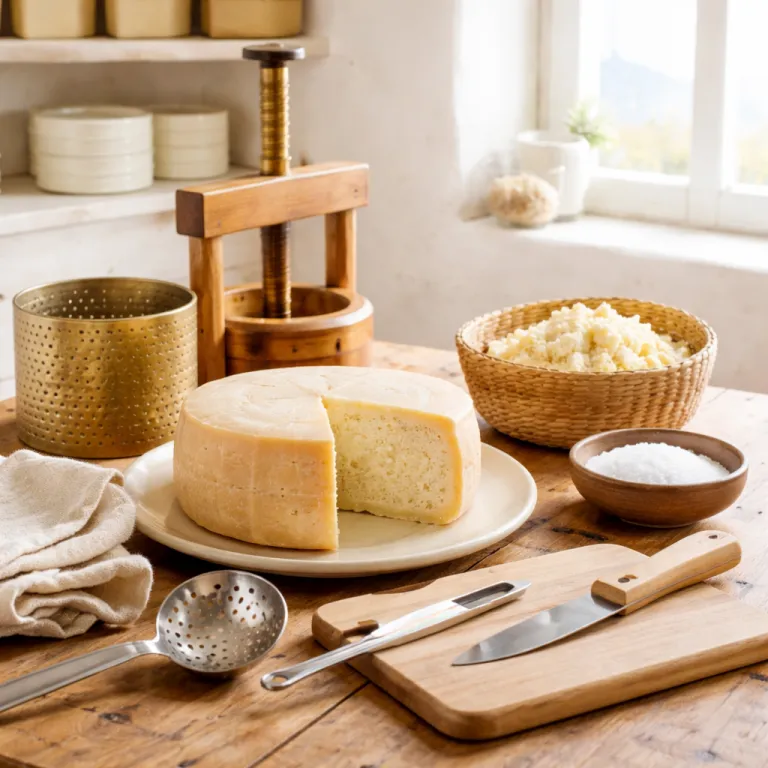
Why Barbagia belongs in any sardinia food guide
Barbagia sits in the mountainous heart of Sardinia, far from the polished marinas of Costa Smeralda. This rugged inland region is where traditional Sardinian food, wine and hospitality still follow the rhythm of shepherds, village bakers and artisan cheesemakers. For couples used to coastal resorts in Italy, a detour here reshapes what you think you know about Italian dining.
Any serious Sardinia food guide chapter on Barbagia starts with the pastoral landscape that surrounds Nuoro and its scattered villages. Local shepherds raise sheep on steep slopes, and their milk becomes Pecorino Sardo DOP, Fiore Sardo DOP and other traditional Sardinian cheeses that rarely leave the island. Barbagia’s cuisine reflects its pastoral heritage and mountainous terrain, and that single sentence explains why the best restaurants here feel more like family kitchens than formal dining rooms.
The region’s agriturismi now bridge rustic life and premium comfort for discerning travelers. There has been a marked rise in farm stays across Sardinia, and many of the most characterful properties cluster in Barbagia’s valleys. Around Nuoro, for example, agriturismi such as Su Gologone in Oliena or country houses near Orgosolo sit about 60–90 minutes’ drive from the Costa Smeralda. For guests booking luxury hotels on the island, pairing a few nights in a refined coastal property with a stay inland creates the most rewarding link between sea-facing glamour and mountain-rooted authenticity.
The shepherd to table ritual: pecorino, pane carasau and porceddu
To understand Barbagia’s food, start with the people who make it. Local shepherds raise sheep and goats for milk and meat, artisan cheesemakers craft traditional cheeses like Pecorino Sardo and Fiore Sardo, village bakers bake traditional breads such as pane carasau, and local winemakers produce wines like Cannonau di Sardegna and Nepente di Oliena. Their work underpins every memorable meal, from a simple slice of aged pecorino with bitter corbezzolo honey to a full feast of roasted suckling pig.
Pane carasau, the famous thin crisp bread, appears at almost every table in both singular sheet and stacked plural forms. It is baked from durum wheat in wood-fired ovens, then sometimes brushed with olive oil and salt or tomato sauce to become pane guttiau, which pairs beautifully with local wine from Cannonau grapes. When you sit down for traditional Sardinian dining in Barbagia, expect these breads to arrive before any pasta dishes, often alongside olives, cured meats and shavings of mature Pecorino Sardo or Fiore Sardo.
The main act is often porceddu, the roasted suckling pig that defines celebratory meals in this part of Sardinia. Some agriturismi serve wild boar stews in colder months, while others focus on lamb and slow food preparations that respect ancient cooking methods, such as meat cooked slowly over embers or in underground pits. If you are planning how to make the most of your time on the island for a refined hotel stay, weaving in one of these long, firelit dinners turns a simple trip into a story you will retell for years.
Villages, murals and agriturismi: where to eat in Barbagia
Barbagia is not a single destination but a constellation of villages, each with its own specialties. Around Nuoro you will find agriturismi that champion traditional Sardinian dishes, from culurgiones pasta filled with potato and mint to slow-cooked wild boar with local herbs. In Orgosolo, the famous murals lining the streets create a striking backdrop for long lunches built around pecorino, pane carasau and robust food and wine pairings, often featuring Cannonau from nearby producers in Oliena.
Couples used to the best restaurants in Cagliari or along Costa Smeralda will notice a different rhythm here. Menus are shorter, and the link between what is served and who produced it is explicit, often with the cheesemaker or winemaker greeting guests personally. Many properties now blend agriturismo warmth with the comforts expected from elegant hotels in Sardinia for a refined Mediterranean escape, offering crisp linens, curated wine lists and thoughtful service alongside wood-fired kitchens.
For travelers staying on the coast, Barbagia works beautifully as a two or three night inland chapter. You might base yourself in a luxury property near San Teodoro or the Costa Smeralda, then drive inland to Nuoro for a contrasting stay focused on food and landscape. This combination allows you to enjoy alla catalana style seafood on the coast and then shift to mountain dishes like roasted suckling pig, lamb and Pecorino Sardo without sacrificing comfort or style.
From Costa Smeralda to Barbagia: planning a luxury food focused itinerary
Many travelers arrive in Sardinia with images of Costa Smeralda’s emerald bays and Porto Cervo’s marinas. Those images are accurate, yet they tell only half the island’s story, especially if you care about food and wine. A thoughtful Sardinia food itinerary that includes Barbagia starts on the coast, then arcs inland to reveal the island’s culinary soul.
Begin with a refined stay in Porto Cervo or nearby coves, choosing a property that values local ingredients and offers more than standard Italian dishes. Spend three or four nights enjoying seafood, beach clubs and boat trips, then plan a drive inland of about 90 minutes to Nuoro or Oliena. From there, use a curated overview of Porto Cervo stays as your coastal base, then add a Barbagia agriturismo where pane carasau, pecorino and Cannonau are central to the experience. This coastal to mountain progression lets you compare seafood alla catalana in a waterfront restaurant with slow food lamb cooked over embers in a stone farmhouse.
Along the way you will notice how different parts of the island interpret the same ingredients. In Cagliari, chefs might pair bottarga di muggine with pasta and tomato sauce, while in Barbagia the focus shifts to Fiore Sardo, Pecorino Sardo and rustic breads. A simple seven-night plan could include three nights on the Costa Smeralda, two nights in Barbagia around Nuoro or Orgosolo, and two nights in Cagliari or on Isola di San Pietro. The best itineraries give you all three perspectives, so you can taste the full range of Sardinian food from coastal seafood to Barbagia’s shepherd-to-table feasts without feeling rushed or overscheduled.
Why Barbagia changes how you think about Italian food
For many visitors, Italian food means coastal seafood, glossy pasta plates and polished city dining rooms. Barbagia rewrites that script with dishes that feel older, more elemental and deeply tied to the land. When you sit at a long wooden table in a mountain farmhouse, the distance from a waterfront restaurant in Cagliari or San Pietro feels greater than the actual kilometres.
Here, food is a narrative of survival and celebration on a rugged island that long resisted outside rule. Meals often begin with Pecorino Sardo, pane carasau and local wine, then move through roasted suckling pig, wild boar or lamb, finishing with desserts sweetened by bitter honey from mountain hives. The experience is not about chasing the next trend but about tasting recipes that have moved from ancient origins through medieval developments into modern-day practices without losing their core identity.
For couples used to luxury stays, the surprise is how comfortably Barbagia now fits into a premium Sardinian itinerary. Many agriturismi offer stylish rooms, thoughtful service and curated food and wine pairings that rival coastal properties, while still working closely with local farmers and artisan producers. When you weave these stays into a broader journey across Sardinia, the island’s gastronomy stops being a backdrop and becomes the main reason to return.
FAQ
What is pane carasau and where should I try it in Barbagia ?
Pane carasau is a very thin, crisp Sardinian flatbread baked from durum wheat and traditionally fired twice for extra crunch. In Barbagia you will find excellent versions in agriturismi around Nuoro and in villages such as Orgosolo and Oliena, where village bakers still use wood-fired ovens. Look for places that serve it both plain and brushed with oil or tomato sauce as part of a wider tasting of traditional Sardinian dishes.
How does Cannonau wine pair with Barbagia’s typical dishes ?
Cannonau is a robust red wine produced by local winemakers in the interior of Sardinia, often from very old vines. Its structure and warmth make it ideal with roasted suckling pig, wild boar stews and aged Pecorino Sardo or Fiore Sardo from Barbagia. When booking agriturismi or restaurants, ask for food and wine pairings that highlight Cannonau alongside lamb or mature mountain cheeses for a classic regional match.
What are culurgiones and are they easy to find in Barbagia ?
Culurgiones are a type of Sardinian pasta shaped like plump dumplings and usually filled with potatoes, mint and pecorino. They are common in the interior regions, including Barbagia, where many family-run kitchens still prepare them by hand. You will often see them served with a simple tomato sauce or butter and sage in both agriturismi and smaller village restaurants.
Is Barbagia suitable for luxury travelers used to coastal hotels ?
Barbagia has embraced a new wave of agriturismi and rural retreats that combine authentic food with premium comfort. While the atmosphere is more informal than in Costa Smeralda resorts, you can expect well-designed rooms, attentive service and carefully curated menus focused on local ingredients. For many couples, this contrast between inland warmth and coastal polish becomes the most memorable part of a Sardinian itinerary.
When is the best time to plan a food focused stay in Barbagia ?
Barbagia’s culinary traditions are alive year round, with different dishes suiting each season. Spring and autumn are particularly appealing for couples, with mild temperatures, active village life and hearty menus featuring lamb, wild boar and fresh cheeses. Whenever you go, try to align your stay with local food festivals or village markets, such as autumn events in Nuoro province, to see how deeply gastronomy shapes daily life in this part of Sardinia.