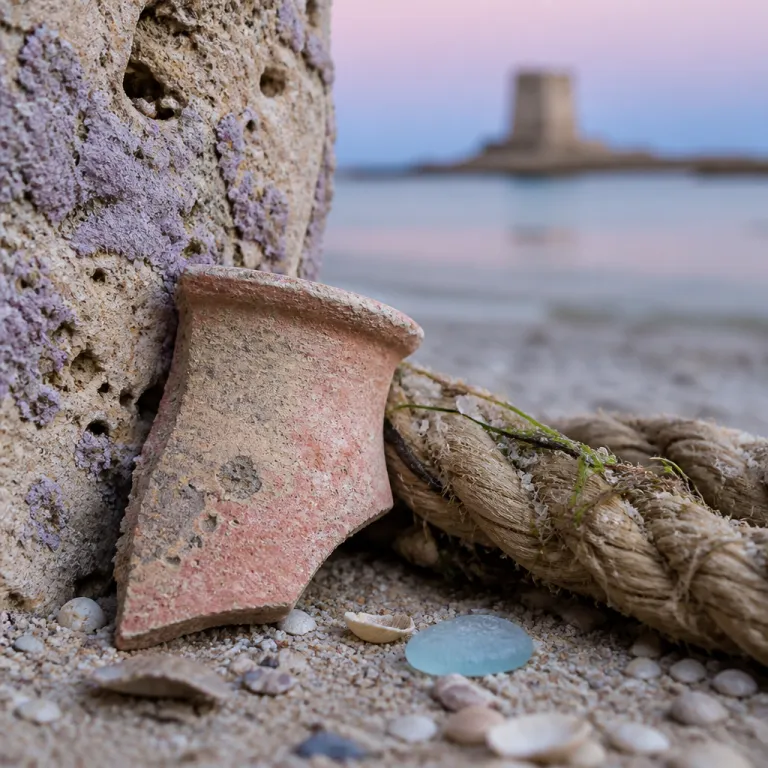
A coastal timeline for luxury travelers: from sardinia ancient ports to Spanish towers
Sardinia’s historical heritage unfolds most vividly along the coast. Here the island’s shoreline reads like a chronological guide, from Sardinia ancient Phoenician harbors to Roman strongholds and Spanish watchtowers. For families choosing a luxury hotel, understanding this layered past turns every beach day into a quiet lesson in historical time travel.
The Phoenicians arrived in Sardegna for maritime trade, leaving archaeological sites at Tharros and Nora that still shape how we visit the island today. Official explanations remain simple yet precise; “Where are Sardinia's Phoenician ports? Located in cities like Tharros and Nora.” These coastal sites in Sardinia sit minutes from some of the island’s most refined resorts, allowing you to balance poolside ease with meaningful cultural excursions.
Later Roman engineers added amphitheatres, roads and thermal complexes that now rank among the most important archaeological sites in the Mediterranean. Centuries after, the Spanish Monarchy and earlier Pisan powers built coastal towers as a defensive network against pirates, creating a second belt of heritage markers above the waves. When you book a seafront suite today, you are often looking directly at the same bays that once hosted Phoenician Punic traders, Roman baths and Spanish sentries, with sunsets that still catch the stone in the same warm light.
Key coastal sardinia history heritage sites by region for hotel-based itineraries
On the south coast, Nora near Pula is the most evocative site for families staying in luxury resorts between Cagliari and Chia. This ancient Phoenician Punic settlement later became a Roman town, with an amphitheatre, mosaics and seaside temples that remain remarkably well preserved. From many premium hotels you can reach the archaeological site in less than thirty minutes by car, combining a morning swim with an afternoon among columns and carved rock, usually with guided tours available from late spring to early autumn.
Further west, Tharros on the Sinis peninsula offers another essential stop among coastal archaeological sites, especially for travelers based in Oristano or private villas nearby. Here the ruins of a Phoenician Punic and Roman city stretch along a narrow promontory, turning every visit into a walk between sea and stone. Families can pair Tharros with the necropolis at Pranu Muttedu inland, near Goni, where tombs and carved rock alignments reveal a different chapter of Sardinia ancient ritual landscapes, with basic parking areas and signed paths that make short walks manageable even with children.
In the north, Porto Torres anchors the Gulf of Asinara with a Roman bridge, early Christian basilica and access to coastal towers that once guarded trade routes. Luxury guests staying along the Costa Smeralda can weave history into their stay by driving to these sites in Sardinia, then returning to contemporary design hotels in Porto Cervo or the elegant hideaway village of San Pantaleo in Sardinia. This balance between archaeological depth and polished hospitality is what makes Sardegna uniquely rewarding for culturally curious families.
Beyond Bronze Age stones: nuragic icons, roman Cagliari and Spanish baroque layers
Many travelers arrive knowing only one word, nuraghe, yet Sardinia history heritage sites extend far beyond these Bronze Age towers. The most famous example, Su Nuraxi di Barumini, is a UNESCO heritage site that anchors many itineraries, but it is just one expression of Nuragic culture. When you stand on its ramparts you see how later powers, from Roman administrators to Spanish governors, reused the same strategic plateaus and valleys, and local guides often point out how the wind carries the same sounds across centuries.
In the north, Nuraghe Santu Antine rises from the plains like a stone citadel, while nearby tombs of the giants and fairy houses carved into rock, known as domus de janas, complete the picture of Sardinia ancient beliefs. Families can combine a visit to Santu Antine with the sacred well of Santa Cristina, where Nuragic culture, astronomy and water worship intersect in a single well-preserved complex. These sites in Sardinia sit within easy driving minutes of refined country estates, allowing you to return from necropolis walks to infinity pools and shaded gardens.
Cagliari adds later layers to this story, with a Roman amphitheatre cut into the hillside and Spanish era baroque churches in the Castello quarter. Here you can stay in a premium hotel overlooking the harbor, then walk to medieval streets that once linked Pisan fortifications with Spanish palaces. Design focused travelers will appreciate how contemporary interiors, such as those highlighted in analyses of Patricia Urquiola’s Sardinia projects, echo the same stone, light and sea palette that shaped these historical sites.
Hidden inland gems: necropolis, carved rock sanctuaries and thermal heritage
Move away from the coast and Sardinia history heritage sites become quieter, wilder and often more intimate. In the hills of central Sardegna, the necropolis at Pranu Muttedu reveals rows of megaliths, tombs and carved rock chambers that feel worlds apart from crowded beaches. Families staying in rural luxury retreats can reach these archaeological sites within an hour, turning a pool day into a gentle expedition through prehistoric landscapes, with simple visitor facilities and shaded picnic spots nearby.
Near Genna Salixi, lesser known domus de janas, sometimes called fairy houses, hide among cork oaks and granite outcrops. Children respond instinctively to these rock cut tombs, which look like miniature homes and invite stories about Sardinia ancient spirits and rituals. A good private guide will link these necropolis clusters to the more monumental tombs of the giants, explaining how Nuragic culture evolved from small family burials to communal monuments and how seasonal light still enters some chambers at specific times of year.
Thermal heritage adds another layer, especially at Fordongianus where Roman baths still steam beside the Tirso river. Here the archaeological site includes well preserved pools, channels and inscriptions, while nearby modern spas reinterpret the same waters for contemporary wellness. Choosing a premium hotel within easy driving minutes of Fordongianus allows you to alternate between archaeological immersion and curated treatments, with most visits comfortably planned as half day excursions thanks to nearby parking and clear access paths.
Designing a family stay: pairing luxury hotels with coastal towers and mining heritage
For premium families, the art lies in pairing the right hotel with the right slice of Sardinia history heritage sites. On the south eastern coast, a stay near Villasimius lets you explore Spanish coastal towers by short walks, then return to child friendly pools and calm coves. These towers, part of a network of more than one hundred coastal structures, were built by the Spanish Monarchy to defend against pirate attacks and still punctuate many of the island’s most photogenic bays, often with signed paths and small parking areas just above the shore.
On the south western side, the Sulcis Iglesiente mining district reframes industrial archaeology as cultural tourism, with abandoned shafts, rail lines and sea cliffs now forming a UNESCO heritage landscape. Families based in elegant seaside hotels can take day trips to mining villages, combining coastal drives with guided visits that explain how trade, labor and geology shaped modern Sardegna. When planning this kind of itinerary, consider splitting your stay between a refined Costa Smeralda address, such as those reviewed in our guide to Porto Cervo hotels for refined stays, and a quieter south western retreat.
Throughout the island, sites in Sardinia such as Su Nuraxi di Barumini, Santu Antine and Santa Cristina can be reached within ninety minutes of most major luxury hubs. This makes it easy to design alternating days, with one focused on archaeological sites and another on sailing, snorkeling or simply enjoying your hotel. By treating each heritage site as part of a wider coastal or inland narrative, you give children a coherent story, not just a checklist of tombs, necropolis walls and nuraghe silhouettes.
FAQ
What are nuraghi and why do they matter for travelers ?
Nuraghi are ancient stone towers built by the Nuragic civilization, and they form the most iconic group among Sardinia history heritage sites. Visiting a nuraghe such as Su Nuraxi di Barumini or Nuraghe Santu Antine helps travelers understand how Sardinia ancient communities organized defense, ritual and daily life. Many luxury hotels can arrange private transfers and guides, making these archaeological sites accessible even for families with young children.
Which coastal archaeological sites are easiest to reach from luxury resorts ?
Nora near Pula and Tharros on the Sinis peninsula are the most convenient coastal archaeological sites for guests staying in high end properties around Cagliari and the south west. Both combine Phoenician Punic and Roman layers, with amphitheatres, temples and necropolis areas set beside the sea. From many resorts you can reach each site in under sixty minutes, allowing a half day visit without sacrificing beach time, especially in the main visiting season from spring to early autumn.
Are Sardinia’s historical sites suitable for children ?
Many Sardinia history heritage sites are particularly engaging for children, especially domus de janas fairy houses, tombs of the giants and coastal towers. These places invite imagination, letting younger visitors picture ancient rituals, pirates or Roman soldiers while they explore. Choosing a knowledgeable guide and pairing each visit with a swim or gelato stop keeps the rhythm relaxed for families.
How can I combine beach days with visits to necropolis and inland sites ?
The key is to base yourself in a hotel that sits within ninety minutes of both coast and interior, such as properties near Oristano, Nuoro or central Sardegna. From there you can plan alternating days, visiting the necropolis at Pranu Muttedu or Santa Cristina one day, then returning to the sea the next. Many concierges can suggest tailored routes linking carved rock sanctuaries, tombs giants and quiet coves, with advice on driving times and the best hours to avoid midday heat.
Do I need a guide to visit Sardinia’s archaeological sites ?
Major sites in Sardinia such as Su Nuraxi di Barumini, Nora, Tharros and Fordongianus can be visited independently, with on site signage and small museums. However, a private guide adds context about Nuragic culture, Phoenician trade, Roman engineering and Spanish defenses that most panels cannot cover in depth. For premium travelers, arranging a guide through your hotel ensures timing, transport and family needs are handled smoothly.