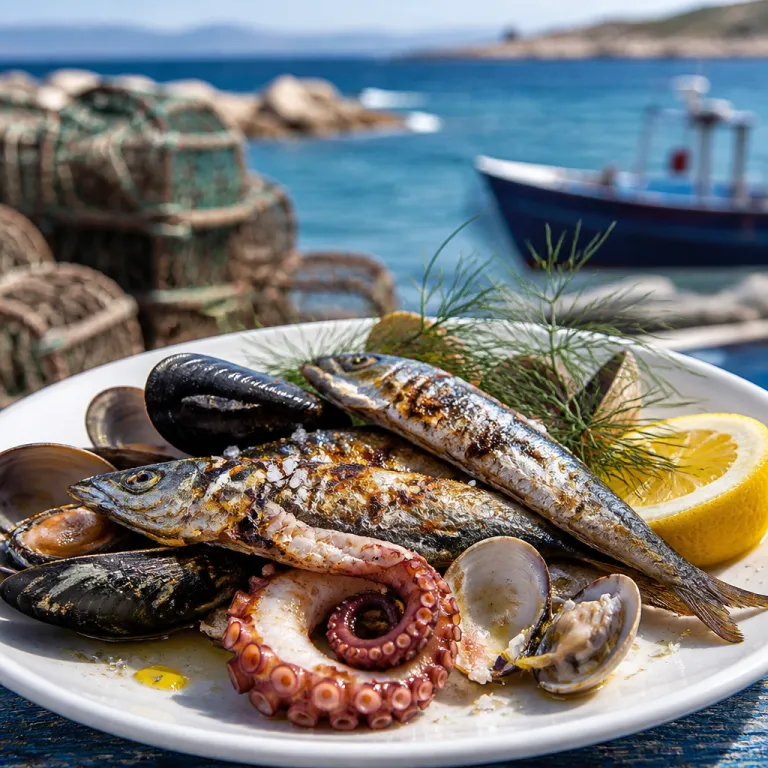
Catching the rhythm of Sardinia fresh seafood ports
Sardinia is an island where the working harbors still dictate what appears on the plate. For travelers who care about sardinia fresh seafood as much as about thread count, the real luxury lies in understanding which port supplies which kitchen and how that shapes your stay. Spend time watching people at the quayside and you start to read the island like a quiet, precise travel guide written in nets, crates and ice.
Along the south coast near Cagliari, the San Benedetto market acts as the island’s central nervous system for fish, seafood and gossip. Hoteliers who take sardinia travel seriously send their chefs here at dawn, choosing fresh fish and fresh seafood that will later anchor a pasta dish or a simple plate of grilled catch with olive oil and lemon. When you book a premium room in sardinia cagliari, ask which stall supplies the kitchen and whether you can shadow the chef for a morning travel experience.
On the northeast coast, Costa Smeralda’s marinas are lined with yachts, yet the most interesting stories about sardinia fresh seafood start in smaller working ports nearby. Here, people still unload crates of fish straight from modest boats, and the best hotel concierges quietly arrange transfers so guests can see the process before returning to a sea facing room. This is where the line between a polished travel guide and a lived sardinia travel memory blurs into something closer to island life itself.
Our editorial team treats each harbor as a chapter in an ongoing blog about how geography, tradition and the Mediterranean sea shape what ends up on your plate. We map which luxury properties are genuinely plugged into these supply chains and which simply talk about fresh seafood without ever walking the docks. For a certain type of guest, that difference matters more than any spa menu or room fragrance.
Cabras and the quiet power of bottarga
Cabras, on the west coast, is where sardinia fresh seafood takes on its most intense, almost architectural form. The town’s lagoon fishery produces bottarga, the dried grey mullet roe that defines so many of the island’s best pasta dish options and quietly underpins serious Sardinian food culture. Stay in a refined country property nearby and you can move from tasting room to fishing hut in a single afternoon, tracing how this ingredient travels from net to plate.
In Cabras, people talk about bottarga the way wine collectors discuss vintages, comparing texture, salinity and the exact time the roe was cured. A well connected travel guide will steer you toward small producers who still work by hand, then to restaurants where sardinia fresh seafood is paired with shaved bottarga over fresh pasta or scattered on raw fresh fish. When you visit Sardinia with family, combine a lagoon boat trip with a stop at the Museo Civico to understand how this product shaped local life and trade.
Luxury hotels across Sardinia, from Cagliari to Costa Smeralda, now highlight bottarga on tasting menus, yet Cabras remains the reference point. Ask your concierge to arrange a private transfer west and a table at a local trattoria where the chef grates bottarga at the table, finishing a simple pasta dish with olive oil and nothing else. For families following a coastal itinerary, pairing this detour with a stay planned around wild beaches and cultural stops works beautifully with a child friendly route such as an itinerary of pirate towers and nuraghe adventures.
Cabras also offers a different pace from the polished resort life of Costa Smeralda, which many business leisure travelers appreciate after meetings in Cagliari or Milan. Here, sardinia travel feels grounded, with fishermen mending nets beside the lagoon and small bars serving simple food with views of the water. It is a place where a quiet hotel room, a plate of fresh seafood and a glass of Vernaccia can reset your sense of time.
Alghero, Stintino and the northwest’s working sea
On the northwest coast, Alghero and Stintino show how sardinia fresh seafood is shaped by history as much as by tides. Alghero’s Catalan heritage lives on in aragosta alla catalana, a lobster salad that marries Sardinian produce with Spanish technique in a way that feels both precise and relaxed. For travelers who visit Sardinia with an eye on both culture and cuisine, this is where the island’s layered past becomes edible.
In Alghero, the best tables for seafood often sit just behind the ramparts, where chefs buy fresh fish from small boats that dock below the old town walls. Ask your hotel concierge to book a restaurant that sources directly from these fishermen and to secure a room with a sea view so you can watch the boats return at dusk. The interplay between the working harbor, the medieval streets and the scent of grilled fish drifting upward is what makes sardinia travel here feel quietly cinematic.
North of Alghero, Stintino grew around a historic tuna processing tonnara, now a museum that explains how people once organized their entire life around the sea. Walking through its cool stone rooms, you understand why sardinia fresh seafood is never just about food but about labor, risk and community. Pair a morning visit with lunch at a local restaurant where tuna, anchovies and other seafood appear in both raw and cooked forms, always dressed with local olive oil.
For couples planning a refined escape, this coastline pairs well with a few nights in a discreet luxury property, then a move to a quieter cove for a more secluded stay. Our team often recommends combining Alghero’s energy with a stay focused on quiet coves and candlelit dinners, using a resource such as this curated guide to honeymoon escapes for couples who want quiet luxury. In both cases, the key is to choose hotels that can secure late dinner reservations at serious seafood kitchens, not just suggest the nearest tourist terrace.
Cagliari, San Benedetto and the markets that feed the island
Cagliari is where sardinia fresh seafood becomes a daily ritual rather than a special occasion. At the San Benedetto market, one of Europe’s largest covered fish markets, stalls overflow with fresh fish, shellfish and every shade of Mediterranean life. Chefs from across the island travel here before sunrise, turning the aisles into an informal conference on what will appear on menus from Costa Smeralda to the western lagoons.
For business travelers extending a stay in sardinia cagliari, arranging a guided walk through San Benedetto can be more revealing than any formal tasting menu. You see which fish are truly local, which seafood is imported and how people choose between them for family meals or restaurant service. Many luxury hotels now offer market to table experiences, where guests follow the chef through the market, then return to the hotel kitchen for a private class focused on sardinia fresh seafood.
In the evening, head to the port to watch boats return and unload, then choose a restaurant that buys directly from those crews. This is where the island’s food culture feels most transparent, with the distance between sea and plate measured in hours rather than marketing copy. When you book a room in Cagliari, ask specifically whether the hotel restaurant sources from San Benedetto and how often the menu changes according to the catch.
Across Sardinia, a handful of restaurants have become reference points for travelers who care about provenance. La Grotta Restaurant on La Maddalena, Quattro Passi Al Pescatore in Porto Cervo, Corsaro Nero on the Marina di Arbus coast, La Sulcitana Cooperativa Pescatori in Sant’Antioco and Il Pescatore in Cala Gonone are consistently cited by locals as reliable addresses for serious seafood. As one local summary puts it, “Top seafood restaurants include La Grotta, Quattro Passi Al Pescatore, Corsaro Nero, La Sulcitana Cooperativa Pescatori, and Il Pescatore.”
From Costa Smeralda marinas to hidden coves: choosing where to stay
Costa Smeralda remains the shorthand for Sardinian glamour, yet its relationship with sardinia fresh seafood is more nuanced than the postcard suggests. In Porto Cervo, Quattro Passi Al Pescatore sits directly on the water, turning the marina into both dining room backdrop and pantry. Guests staying in nearby luxury hotels often arrive by tender, moving from sea to table in a single, unhurried gesture.
For travelers who prefer a quieter reading of sardinia travel, the southern and western coasts offer a different kind of luxury. At Corsaro Nero near Marina di Arbus, sunset dinners pair fresh seafood with wild dunes and a horizon unbroken by superyachts, which many guests find more restorative than any spa circuit. La Sulcitana Cooperativa Pescatori in Sant’Antioco, run by a fishermen’s cooperative, shows how people can turn working knowledge of the sea into a dining room that feels both humble and precise.
On the northeast, La Grotta Restaurant on La Maddalena rewards those who choose an island hopping itinerary rather than staying only on the mainland. Here, sardinia fresh seafood arrives from surrounding waters, often served simply with olive oil, lemon and perhaps a side of pasta, letting the fish speak more loudly than the room design. Pairing a stay in La Maddalena with nights in Costa Smeralda gives you both polished resort life and a more intimate island experience.
Wherever you base yourself, use a curated resource such as our guide to Sardinia beach resorts for refined coastal escapes to align your hotel choices with the seafood culture you want to experience. Some properties excel at arranging market visits and portside tastings, while others focus on in house fine dining that interprets sardinia fresh seafood through a more international lens. The most rewarding itineraries usually combine both, giving you a sense of how the island’s food moves from fishing boat to white tablecloth and back again.
How to read a menu like a Sardinian local
Once you are seated, the real work of understanding sardinia fresh seafood begins with the menu and the person reciting the day’s specials. Locals rarely ask for the most elaborate pasta dish or the most photographed plate, instead they ask which fish came in that morning and how the sea looked when the boats left. This small question reveals whether you are about to eat something that reflects the island’s rhythm or a dish designed mainly for tourists.
Look for simple preparations that highlight fresh fish, such as grilled fillets with olive oil, lemon and herbs, or raw seafood dressed only with salt and citrus. Dishes featuring bottarga, whether shaved over pasta or sliced thinly with olive oil, often signal a kitchen that respects Sardinian traditions and sources carefully. When in doubt, follow the staff’s guidance and be willing to change your order if a new catch arrives while you are still deciding.
For those who like to prepare a loose travel guide before arriving, it can help to note a few key terms and regional specialties. In Cagliari, ask about fregola with clams, while on the west coast near Cabras, focus on bottarga and lagoon fish, and in Alghero, look for lobster prepared in the Catalan style. Across Costa Smeralda and La Maddalena, keep an eye out for simply grilled seafood that reflects the day’s catch rather than a fixed hotel menu.
Ultimately, the most memorable meals during your Sardinia travel will rarely be the most ornate. They will be the ones where people at the next table are clearly eating the same dish, where the sea is visible or at least audible and where the staff can tell you exactly which boat supplied your plate. That is where the fishermen eat, and where the island’s relationship with sardinia fresh seafood feels most alive.
FAQ
Do the main seafood restaurants in Sardinia require reservations
Most serious seafood restaurants in Sardinia do require reservations, especially during peak coastal seasons. Places such as La Grotta Restaurant, Quattro Passi Al Pescatore, Corsaro Nero, La Sulcitana Cooperativa Pescatori and Il Pescatore are popular with both locals and visitors. Booking through your hotel concierge usually secures better tables and aligns timing with sunset or boat returns.
Are the recommended seafood restaurants open all year
Operating patterns vary across the island, with some coastal restaurants reducing hours outside the main holiday periods. The dataset notes that “Operating hours vary; it's best to check directly with each restaurant.” When planning a trip focused on sardinia fresh seafood, ask your hotel to confirm opening days and any seasonal closures before you finalize your itinerary.
What is the best way to experience Sardinia fresh seafood culture
The most rewarding approach is to combine market visits, portside tastings and at least one serious restaurant in each region you visit. In Cagliari, start at the San Benedetto market, while in Cabras you should focus on bottarga and lagoon fish, and in Alghero and Stintino you can explore lobster and tuna traditions. Choosing hotels that actively connect guests with these experiences will deepen your understanding of how the island’s seafood moves from port to plate.
Is Sardinia suitable for travelers who do not eat seafood
Sardinia offers a strong inland food culture built around lamb, pork, pecorino cheese and robust vegetable dishes, so non seafood eaters will still eat very well. Many restaurants that specialize in sardinia fresh seafood also offer meat and vegetarian options, particularly in larger towns such as Cagliari and Alghero. When booking, ask your hotel to recommend kitchens that balance seafood with other regional specialties.
How far in advance should I plan a seafood focused trip to Sardinia
For peak summer and major holiday periods, plan at least several months ahead to secure both preferred hotel rooms and prime restaurant reservations. Business leisure travelers extending a work trip can often find last minute tables, but may have less choice in timing or terrace seating. Aligning your sardinia travel dates with local fishing seasons and festivals can also enhance the overall seafood experience.