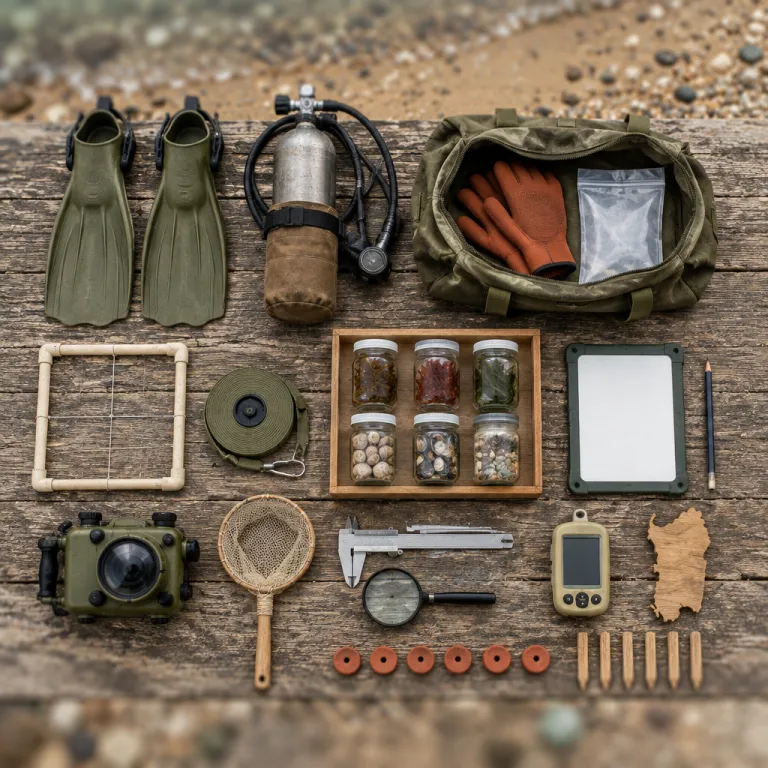
Marine protected luxury: why Sardinia’s reserves suit purposeful travelers
Diving Sardinia marine reserve itineraries now sit comfortably beside Michelin tables and yacht charters. For couples who want a refined stay yet a meaningful diving experience, Sardinia’s marine protected areas offer rare clarity of water and clarity of purpose. The island combines discreet five star properties, research led scuba programs and quiet coves where the only sound is the sea.
Across the island, four key marine reserves welcome recreational divers and citizen science participants in carefully managed numbers. The national park of Asinara in the north west, the La Maddalena archipelago national park off the Gallura coast, the Tavolara – Punta Coda Cavallo marine protected area near Olbia and the Capo Carbonara marine reserve in the south all balance conservation with controlled dives. Each protected area is zoned, so your dive center will select dive sites where scuba diving is permitted and where your presence supports monitoring rather than pressure.
For luxury travelers, the appeal lies in pairing a research adjacent italy dive with a stay that understands privacy and service. Many premium hotels in Sardinia now collaborate with a resident or nearby diving center, arranging transfers, equipment fitting and tailored diving courses directly from the concierge desk. When you book through a curated platform focused on diving Sardinia and marine area stays, you can filter for properties located close to a reputable dive center that offers citizen science programs.
Purposeful travel is no longer a niche; it is a quiet expectation among discerning guests. Couples who once booked a standard italy diving charter now ask how their dives can contribute to protected marine research and long term sea health. In Sardinia, that shift aligns perfectly with the island’s long standing culture of restraint, where a marine reserve is treated less as a playground and more as a living, underwater archive.
Where to stay for citizen science: matching reserves with refined bases
Choosing the right hotel for diving Sardinia marine reserve projects starts with the map. Each marine area has a distinct character, so your base should reflect both your preferred dive sites and your off water style. A couple seeking adults only calm after long scuba days will not want the same property as a family focused group of participants.
Near the Tavolara – Punta Coda Cavallo marine protected area, look for low rise coastal retreats between Porto San Paolo and San Teodoro. Here, several premium hotels are located within a short drive of established dive center operations that run structured diving courses and citizen science dives on the Posidonia meadows and reef walls. If you value quiet pools, slow breakfasts and no children by the bar, consider an adults only luxury stay; this detailed guide on where quiet is the real luxury amenity in Sardinia is a useful starting point.
For La Maddalena archipelago, many divers base themselves around Palau or on La Maddalena island itself. High end properties in this area often partner with a single diving center or dive center collective, which offers both standard scuba diving and structured citizen science dives with marine biologists. When you book, ask whether the diving equipment is stored on site, whether the center offers private boats for small groups of divers and how many dives per day are realistic in the protected marine zones.
On the southern tip, Capo Carbonara near Villasimius suits travelers who like a resort style base with easy access to a marine reserve. Several luxury hotels here coordinate directly with the local diving center network, arranging early morning boat departures to avoid crowds and afternoon surface intervals on quiet beaches within the protected area. In the north west, Capo Caccia and the Alghero coast provide a different mood again, with limestone cliffs, caves and hotels that blend heritage architecture with modern spa facilities for post dive recovery.
Inside the marine reserves: what citizen science diving actually involves
Once you leave the hotel jetty and the island recedes, the rhythm of a citizen science dive day feels different from a standard charter. Briefings run longer, as marine biologists or trained guides explain the specific underwater tasks for participants and the rules of each protected area. You are not just planning two relaxed dives; you are planning a structured diving experience that must respect research protocols and the marine reserve zoning.
Typical activities in Sardinia’s marine protected zones include fish counts, invertebrate surveys and Posidonia oceanica meadow assessments. In the Tavolara – Punta Coda Cavallo marine area, divers may help record grouper populations on selected dive sites, noting size, behavior and exact location on underwater slates. Around Capo Carbonara, some diving courses integrate simple photo transects of seagrass beds, allowing researchers to track meadow health and anchor damage over time.
La Maddalena archipelago and Asinara national park often focus on broader biodiversity recording. Here, scuba participants might log sightings of moray eels, nudibranchs, octopus, barracuda schools or the occasional loggerhead turtle, contributing to long term italy diving datasets. In certain zones, especially near Capo Caccia, dives may include cave or cavern segments, where divers help document sponge communities and other fragile underwater life while following strict no touch rules.
Luxury travelers sometimes worry that a research adjacent italy dive will feel less comfortable or less curated. In practice, the opposite is usually true, because the best diving center teams limit group sizes, maintain top tier diving equipment and schedule generous surface intervals on quiet coves. For an example of how refined coastal stays can integrate with such programs, look at the style of properties featured in this guide to refined coastal stays and hidden gems on the Costa Smeralda, then seek similar standards near your chosen marine reserve.
Marine life, seasons and the art of timing your dives
The real luxury of diving Sardinia marine reserve ecosystems is time and space with wildlife. In clear late summer light, the sea around the island turns a deep, layered turquoise that feels almost unreal. When you glide over a Posidonia meadow and hear only your own breath, the protected marine status of these waters suddenly makes sense.
Across the main marine reserves, divers can expect a Mediterranean cast that feels surprisingly tropical at times. Dusky grouper patrol rocky pinnacles, often curious enough to approach scuba participants who remain calm and still during their dives. Barracuda form silver spirals in the blue, while moray eels peer from crevices and octopus rearrange their underwater doorways of shells and stones.
Loggerhead turtles appear occasionally, especially in the channels of La Maddalena archipelago and the open sea edges of Capo Carbonara. Bottlenose dolphins sometimes escort dive boats in the Capo Caccia and Asinara area, though encounters during actual scuba diving are less common and should never be chased. The real foundation of life here is the Posidonia oceanica seagrass, which stabilizes the seabed, shelters juvenile fish and keeps the water around Sardinia so exceptionally clear.
For couples planning a luxury stay, the best period for a balanced diving experience is often early autumn. Water temperatures remain comfortable, visibility in the marine area is excellent and boat traffic in each protected area drops, giving divers quieter entries and more relaxed surface intervals. Many high end hotels also shift into a calmer rhythm then, so you can move from research focused dives to slow dinners without the peak season rush that sometimes defines italy dive hotspots elsewhere.
How to book: from hotel concierge to research led dive centers
Securing a place on citizen science dives in Sardinia’s marine reserves requires more planning than a last minute charter. Start by choosing your preferred marine reserve, then identify a diving center or dive center collective that is officially authorized to operate in that protected area. Once you have confirmed their scuba diving programs and citizen science offers, you can align hotel bookings and transfers around the dive schedule.
Many luxury properties now treat diving Sardinia marine reserve experiences as a core part of their concierge service. When you enquire, ask specifically whether the hotel works with a single trusted diving center, how many dives per day they recommend and whether private boats are available for small groups of participants. Clarify what diving equipment is included, whether high quality wetsuits and computers are provided and how long each italy dive typically lasts in the marine protected zones.
For couples who prefer a seamless itinerary, some curated platforms highlight resorts that are located close to research active dive sites and that already coordinate with marine biologists. A useful reference is this guide to resort experiences around Palau and the island gateways, which shows how a property can frame sea based activities as part of a wider, thoughtful stay. Use similar criteria when assessing hotels near Capo Carbonara, Coda Cavallo, Capo Caccia or the La Maddalena archipelago, always checking that the protected marine regulations are respected.
On the practical side, most diving courses for citizen science in Sardinia require at least an Open Water level certification. Some centers offer upgrade courses or refresher dives at the start of your stay, allowing you to regain comfort with underwater skills before joining research focused dives in the national park zones. Build in rest days or light snorkeling between deeper dives, using surface intervals to enjoy quiet beaches, local wine tastings or spa treatments that match the unhurried, conservation minded spirit of the trip.
Hidden coastal gems: pairing research dives with Sardinia’s quieter shores
One of the quiet pleasures of diving Sardinia marine reserve networks is how they lead you away from the island’s most obvious addresses. When you follow the map of marine protected zones, you find small ports, understated hotels and coves that rarely appear in mainstream brochures. These are the places where a national park office might share data with your diving center over coffee, and where the sea still sets the timetable.
Around Tavolara and Coda Cavallo, look beyond the main resort strips to small headland properties with direct sea access. Here, you can step from a shaded terrace into a RIB that takes you to nearby dive sites within minutes, allowing more time for underwater surveys and less time in transit. In the evenings, the same hotels often serve local seafood caught just outside the marine reserve boundaries, pairing it with Vermentino while you review species lists from the day.
In the north, the lesser known inlets between Palau and Santa Teresa Gallura offer a softer alternative to the flashier corners of the Costa Smeralda. Small, design forward hotels located near working harbors give divers easy access to La Maddalena archipelago while keeping them close to local life on the main island. After morning dives in the protected marine channels, you can spend surface intervals on almost deserted granite beaches, where the only other participants are gulls and the occasional fisherman.
On the west coast, the cliffs of Capo Caccia hide quiet coves and traditional guesthouses that feel a world away from the island’s jet set image. Pairing a stay here with research dives in the surrounding marine area gives you a different perspective on Sardinia, one where caves, limestone walls and slow coastal roads replace polished marinas. For couples who value authenticity as much as comfort, these hidden gems turn a standard italy diving holiday into a deeper, more textured journey beneath and above the surface.
FAQ
Do I need special certification for citizen science diving in Sardinia’s marine reserves ?
Most programs in Sardinia’s marine reserves require at least an Open Water scuba certification from a recognized agency. Some diving center teams prefer Advanced Open Water or equivalent for deeper or more complex dive sites, especially in areas like Capo Caccia with caverns and walls. If you are newly certified, many operators offer additional diving courses or check dives before you join research focused dives in a protected area.
Which Sardinian marine reserve is best for first time citizen science participants ?
The Tavolara – Punta Coda Cavallo marine protected area is often recommended for first timers. Dive sites here are varied but generally accessible, with clear navigation, abundant marine life and many sheltered bays that suit less experienced divers. La Maddalena archipelago is another strong option, offering shallow underwater plateaus and calm channels where participants can focus on species monitoring rather than challenging conditions.
When is the best season for a luxury dive trip with research elements in Sardinia ?
Early autumn is usually ideal for combining luxury hotels with citizen science diving in Sardinia. Water temperatures remain comfortable, visibility is excellent and boat traffic in each marine reserve decreases, giving divers quieter conditions. Many high end properties also feel more relaxed then, so you can enjoy both refined service and unhurried access to the sea.
How can I be sure my dives are genuinely contributing to marine research ?
Choose a dive center that collaborates directly with marine biologists, universities or the management bodies of each national park and marine protected area. Ask how your data will be used, whether there are standardized protocols and if previous projects have led to published findings or management changes. Reputable operators are transparent about their partnerships and will brief participants clearly on the scientific goals of each dive.
Can non diving partners still enjoy these marine reserve focused trips ?
Yes, non divers can enjoy boat excursions, snorkeling, coastal hikes and spa time while their partners join scuba dives. Many luxury hotels near Sardinia’s marine reserves offer tailored experiences such as private beach picnics, wine tastings or sailing trips within the marine area boundaries. This makes it easy for couples to share the same destination, even if only one person participates in underwater research activities.
Suggested sources for further reading : IUCN (International Union for Conservation of Nature) reports on Mediterranean marine protected areas ; NOAA Ocean Explorer resources on citizen science in marine environments ; WWF Mediterranean Marine Initiative publications on Posidonia oceanica and coastal conservation.