How sardinia bread pane carasau tradition shapes luxury travel
Bread in Sardinia is not a side dish ; it is a map of memory, territory and status that every serious traveler should learn to read. When you book a luxury stay on the island, understanding the sardinia bread pane carasau tradition will tell you more about the region than any glossy brochure, because each loaf, each flatbread and each crumb of sardinian bread is tied to a village, a valley and a way of life. In the best premium hotels, from Costa Smeralda to Barbagia, the most meaningful amenity is often not the pool but the paper thin sheet of pane carasau waiting on your table.
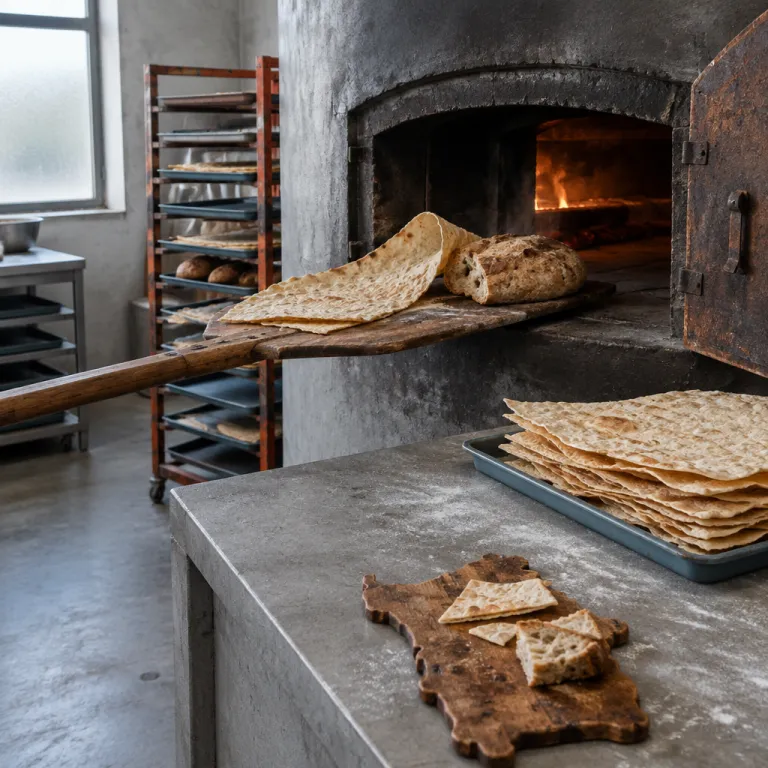
The classic pane carasau began as survival food for shepherds who roamed the interior of Sardinia for months, carrying stacks of this thin crispy flatbread that stayed edible for weeks thanks to its twice baked structure. The dough is made from durum wheat semolina flour, water, a little yeast and sea salt, then rolled almost paper thin before a fierce blast of baking on a hot baking stone makes it puff like a balloon in just minutes. Once split into two layers and baked again in the oven, the carasau traditional texture becomes shatteringly crisp, earning the name carta musica because the sheets crackle like old sheet music when handled.
Today, the sardinia bread pane carasau tradition has moved from shepherds’ saddlebags to tasting menus, yet the technique remains deeply traditional sardinian and almost always women led in village bakeries. Luxury properties that take food seriously will often partner with these family run forni, bringing in baskets of freshly baked sardinian flatbread every morning so guests can taste the real thing rather than an industrial recipe. When you evaluate a hotel’s gastronomic credentials, ask where their pane carasau comes from, how long the dough rests in cold water before baking, and whether they still bake on stone ; the answers reveal more than any star rating.
Pane carasau and pane frattau in coastal luxury hotels
On the coast, especially along Costa Smeralda and the northeast, pane carasau has become the quiet marker of which luxury kitchens respect sardinia bread pane carasau tradition and which simply perform an italian cliché. In refined seaside dining rooms, chefs now use the thin crispy shards as a textural counterpoint to raw seafood, pairing the austere flatbread with sweet red prawns, grassy olive oil and just a sprinkle of sea salt. The best properties treat each sheet of sardinian flatbread like glass, never drowning it in tomato sauce or oil, and timing the plating to the last minutes before service so it reaches your table still singing with crunch.
Pane frattau, by contrast, is the comforting, layered expression of the same bread, and it is where many travelers finally understand how central this food is to traditional sardinian life. In its classic form, cooks briefly soak pane carasau in hot water for a few minutes mins, then layer it with a simple tomato sauce, grated pecorino cheese and, on top, a gently poached egg that breaks into the folds like a rich, golden dressing. When a coastal hotel includes pane frattau on a tasting menu, it is usually a sign that the chef has spent time inland, learning recipes from Barbagia nonnas rather than from glossy italian cookbooks.
For solo travelers seeking quiet, food focused stays, pairing such dishes with an adults only property can be transformative, and guides like this insider look at adults only luxury in Sardinia help you match culinary curiosity with genuine calm. In these more intimate hotels, you are more likely to be invited into the kitchen to watch the dough being mixed, to see how much semolina flour they add, or to feel the heat of the oven as the bread balloons in seconds. Ask if the chef can show you both the crisp carta musica style sheets and a softer pane frattau preparation during your stay, because tasting both expressions side by side is the fastest way to grasp the depth of sardinia bread pane carasau tradition.
Pistoccu, su coccoi and the breads of the interior
Leave the coast and drive into Ogliastra or Barbagia, and the breads change as dramatically as the landscape, revealing another layer of sardinia bread pane carasau tradition. In the rugged east, pistoccu appears on tables instead of the ultra thin carasau ; this thicker flatbread is still baked to last, but its denser crumb and more generous use of flour and water make it better suited to soaking up broths and stews. You will often find pistoccu in agriturismo dining rooms, where slices are briefly dipped in cold water for a few minutes, then warmed near the oven so they soften without losing their rustic backbone.
Su coccoi belongs to a different world again, one of ceremony and celebration, where bread becomes sculpture and every village in Sardinia carves its own motifs into the dough. Made from fine durum wheat semolina flour, water, yeast and salt, this sardinian bread is shaped into doves, crowns or floral patterns, then carefully cut with scissors before baking so it opens like lace in the heat. Luxury travelers who time their stay around local feast days can sometimes watch women shaping su coccoi in village bakeries, a form of edible art that says more about traditional sardinian identity than any museum label.
To access these experiences without sacrificing comfort, base yourself in a small city like Olbia or Nuoro and book a refined property that understands its role as a bridge between urban ease and rural food culture, such as the elegantly understated hotel highlighted in this guide to refined Sardinian stays in Olbia. From there, day trips to inland bakeries become easy, and you can return to crisp linens after a morning spent near a wood fired oven, watching pistoccu emerge in thick, golden slabs. Ask your concierge to arrange visits where you can see both everyday breads and festive su coccoi being shaped, because together they complete the picture of how bread maps Sardinia’s social calendar.
Hidden bread rituals in agriturismi and village bakeries
The most revealing expressions of sardinia bread pane carasau tradition often unfold far from resort buffets, in agriturismi courtyards and back room village bakeries where time is measured in minutes of rising dough rather than check out deadlines. In these spaces, you see how women coordinate the baking like a choreography, rolling the dough paper thin, sliding it onto a blazing baking stone, then splitting the puffed loaves in seconds before returning them to the oven to become crisp carta musica. The rhythm is relentless yet calm, and as a guest you are invited to add your hands to the work, dusting flour, sprinkling sea salt or brushing olive oil over the finished sheets.
Many agriturismi now offer structured bread making experiences for guests, where you learn not only the pane carasau recipe but also how it connects to pastoral life, from the choice of durum wheat to the need for food that could survive long journeys. A typical session might begin with mixing semolina flour, water, yeast and salt into a smooth dough, resting it for thirty minutes, then dividing it into rounds that are rolled to a near transparent thinness before baking. After the first bake, you watch the loaves inflate like balloons, then help split them into two layers, which are baked again until thin crispy and ready to be stacked like edible sheet music on the table.
Some of the most atmospheric luxury properties now weave these rituals into their guest experience, especially those that position themselves as gateways to the island’s interior rather than just coastal playgrounds, such as the legendary shoreline retreat profiled in this review of refined stays on a Costa Smeralda shoreline. After a morning class, you might sit down to a lunch where your own pane carasau becomes the base for a simple pane frattau, layered with tomato sauce, pecorino cheese and a poached egg, or where pistoccu is grilled and brushed with olive oil as a rustic antipasto. These moments turn a luxury stay into something closer to fieldwork in edible archaeology, where every bite of sardinian flatbread carries a story of migration, weather and work.
From carta musica to tasting menus : how chefs reinterpret sardinian bread
In the island’s most ambitious hotel restaurants, chefs are rethinking sardinia bread pane carasau tradition not by abandoning it, but by treating it with the same respect they give to rare seafood or aged pecorino cheese. Pane carasau appears crushed into crumbs to coat local fish before a quick baking in the oven, its thin crispy shards protecting the flesh while adding a subtle toasted note that recalls the baking stone. Elsewhere, carta musica style sheets arrive at the table brushed with olive oil, scattered with sea salt and paired with tasting flights of sardinian olive oils, turning a humble flatbread into a structured, almost meditative course.
Pane frattau also receives thoughtful updates, especially in properties that court gastronomic travelers who want both comfort and a sense of place from their food. Some chefs replace the classic tomato sauce with slow cooked lamb ragù, still layering the soaked bread with grated pecorino cheese and finishing with a poached egg, while others keep the traditional sardinian recipe but refine the textures, controlling every minute of soaking so the bread holds its shape. The key is balance ; too much water and the flatbread collapses, too little and it never quite yields, so the best kitchens time each step in precise minutes mins to maintain structure.
For solo explorers, sitting at the counter of such a restaurant can feel like a masterclass in how bread, landscape and luxury intersect in Sardinia, especially when the sommelier pairs each course with wines from the same valleys that grow the durum wheat. Ask to see the raw dough, to feel how soft it becomes after resting, and to compare a traditional sardinian pane carasau sheet with a more experimental version that might include different flours or a touch of olive oil in the mix. By the end of the meal, you will understand why sardinian bread is not just food but a lens through which to read the island, from its coastal glamour to its most hidden, wind carved plateaus.
FAQ
What is the difference between pane carasau and pistoccu ?
Pane carasau is an extremely thin, twice baked sardinian flatbread made from durum wheat semolina flour, water and salt, traditionally used by shepherds because it keeps for a long time. Pistoccu is thicker, with a denser crumb and usually cut into rectangular pieces, and while it is also baked to last, it is better suited to being briefly soaked in water and served warm with stews or grilled with olive oil. Both breads belong to the same sardinia bread pane carasau tradition, but they reflect different regions and practical needs.
Where can I try authentic pane frattau during a luxury stay ?
Authentic pane frattau is easiest to find in agriturismi and inland restaurants, but several high end hotels now include it on their menus as a signature traditional sardinian dish. Look for properties that highlight regional cuisine and work with local bakers for their pane carasau, especially in Barbagia, Ogliastra and the Nuoro area. When booking, ask the concierge or chef directly whether they serve pane frattau with tomato sauce, pecorino cheese and a poached egg, and whether the bread is baked on a stone in house or sourced from a nearby village.
Can visitors participate in traditional bread making in Sardinia ?
Yes, many agriturismi and some luxury hotels organize hands on bread making classes where guests help mix the dough, roll it paper thin and bake it on a hot baking stone. These sessions often include both pane carasau and other sardinian breads, and you will usually taste your work in a meal featuring dishes like pane frattau or simple carta musica with olive oil and sea salt. It is worth asking in advance how long the class lasts in minutes, how many recipes are covered and whether the experience is private or shared with other guests.
Is pane carasau suitable for people who prefer lighter foods ?
Pane carasau is naturally light because it is a very thin, dry flatbread made from just semolina flour, water, yeast and salt, without added fats in the basic recipe. One or two sheets provide texture without heaviness, especially when served with olive oil, fresh vegetables or grilled fish rather than rich sauces. If you are watching portion sizes, you can still enjoy the crisp carta musica style bread by sharing a basket and focusing on toppings that highlight the grain’s flavor rather than adding too much weight.
How should I evaluate a hotel’s bread program when booking ?
When researching a luxury or premium hotel in Sardinia, look for menus or descriptions that mention sardinian bread by name, such as pane carasau, pistoccu or pane frattau, and note whether they reference local bakers or in house baking. Properties that respect sardinia bread pane carasau tradition usually specify the use of durum wheat semolina flour, stone baking or collaborations with village forni, and they may offer bread focused experiences like classes or tastings. Do not hesitate to email the hotel to ask how their bread is made, how many minutes it bakes and whether guests can watch or participate ; serious culinary hotels will answer with pride and detail.