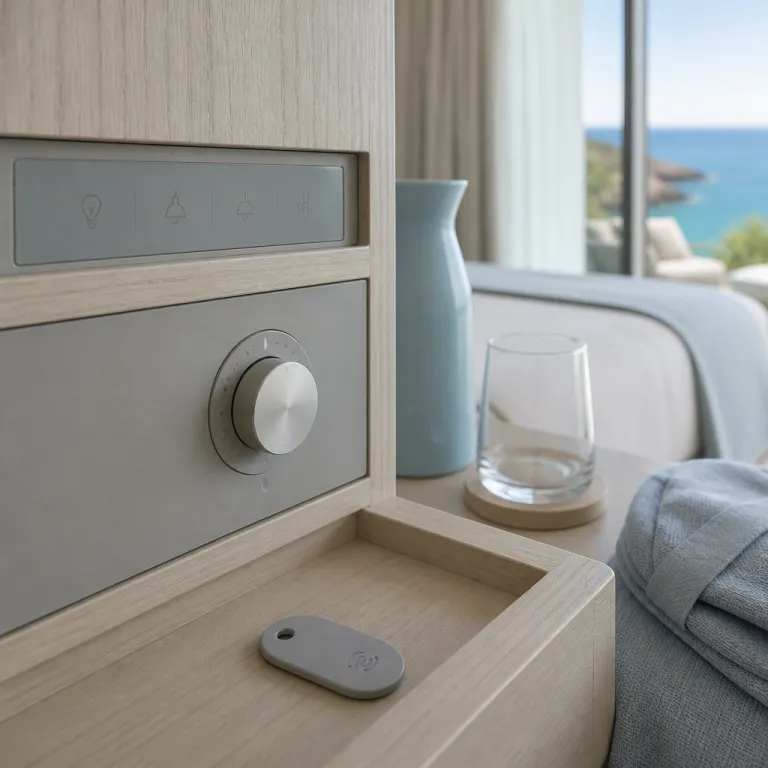
How subtle tech shapes a refined Sardinian hotel experience
Luxury travelers in Sardinia now expect technology that feels almost invisible. Guests want airline-style efficiency, where every digital touchpoint quietly supports a relaxed coastal stay. The most successful hotels use this integrated-hospitality approach to remove friction rather than showcase gadgets or complicated interfaces.
On arrival, many premium properties combine mobile pre check in with a warm face to face welcome at reception. This reflects a guest-centric, data-driven philosophy in which information flows behind the scenes while staff focus on eye contact, conversation, and local insight. You still feel personally greeted, yet your preferences, room allocation, and payment details are already aligned before you step into the lobby.
In Sardinia’s high season, this balance between human care and discreet innovation becomes essential. Coastal resorts from Costa Smeralda to Chia manage complex arrivals, yacht transfers, and late night check ins with property management systems such as Oracle OPERA Cloud or Mews that anticipate peaks and allocate staff intelligently. The guest only notices that queues stay short, rooms are ready, and luggage appears almost as soon as they reach the suite.
Smart booking journeys for Sardinia’s luxury and premium hotels
Choosing a five star hotel in Sardinia now starts with a digital journey that mirrors the calm of the island itself. A user-experience-first mindset in booking design means fewer clicks, clearer room visuals, and transparent pricing for suites, villas, and sea view rooms. When this streamlined logic is applied well, you can compare options without feeling rushed or overwhelmed.
Leading platforms for Sardinian stays integrate real time availability, flexible cancellation rules, and secure payment gateways in a single flow. This is where connected-system thinking becomes practical, as channel managers and central reservation systems cross check room categories, seasonal offers, and minimum stay rules before you confirm. You see only the combinations that actually work for your dates, which reduces errors and last minute changes.
Travelers planning a refined Mediterranean escape often move between several destinations on the island. Smart booking engines now suggest logical pairings, such as a few nights in Costa Smeralda followed by a quieter southern bay. For readers comparing areas, independent destination guides and regional hotel reviews can help align digital planning with real geography, driving times, and seasonal conditions so the itinerary feels realistic rather than theoretical.
Contactless luxury that still feels personal in Sardinia
Guests often worry that contactless technology will make luxury stays feel cold. In Sardinia’s premium hotels, a “high tech, high touch” approach ensures that digital tools support, rather than replace, meaningful service. The aim is to let you choose when to interact via app and when to linger at the concierge desk.
Mobile keys, for example, delivered through providers such as ASSA ABLOY Global Solutions or Salto Systems, allow late arrivals to go straight to their room, while daytime guests might still enjoy a hosted tour of the property. Behind this lies deep integration between reservation systems, access control, and housekeeping schedules, so access rights update the moment your room is ready. You experience this as a smooth transition from check in to privacy, without waiting in corridors or repeatedly showing identification.
In southern Sardinia, properties such as Conrad Chia Laguna Sardinia illustrate how refined coastal elegance can coexist with advanced systems. As one front office manager there notes, “Our goal is for technology to disappear into the background so guests remember the sea breeze and the service, not the software.” One recent guest described arriving after midnight, opening the suite with a mobile key, and finding pre selected pillows and a stocked minibar already prepared; the entire check in took under three minutes compared with the 10 to 15 minutes typical before the hotel introduced its integrated platform, according to internal operational reports. Guests can manage spa bookings, restaurant reservations, and beach club access through digital channels, yet staff remain visible and attentive throughout the resort.
AI powered personalization for Sardinian coastal stays
Artificial intelligence now plays a quiet but decisive role in Sardinia’s high end hospitality. Hotels apply a unified-guest-profile framework to connect booking data, past stays, and on site preferences into a single record, often via CRM platforms such as Salesforce or Cendyn. The goal is not to impress you with algorithms, but to anticipate needs with subtle accuracy.
If you previously requested feather free pillows or early housekeeping, these details can surface automatically before your next arrival. This reflects privacy-conscious data orchestration, where information flows through secure channels to the right department at the right time. You simply find the room arranged to your taste, without filling out repeated forms or re explaining sensitivities.
AI also helps refine recommendations for excursions, yacht charters, and restaurant reservations across the island. Systems can match your stated interests with real time availability, weather conditions, and driving distances, then propose realistic itineraries. For travelers comparing coastal areas, human curated lists from independent travel writers and regional tourism boards provide a useful complement to algorithmic suggestions, adding nuance on local culture, seasonality, and the character of each bay or village.
Sustainable tech innovations in Sardinia’s luxury hotels
Environmental responsibility has become a defining expectation for premium travelers in Sardinia. Many hotels now use a tightly integrated mix of sensors, analytics, and automation to reduce energy use without compromising comfort. Guests benefit from stable temperatures, quiet air conditioning, and soft lighting that adjusts naturally throughout the day.
Smart room controls allow you to manage blinds, climate, and lighting from a single interface, often via in room tablets or mobile apps connected to building management systems such as Honeywell or Schneider Electric. These systems follow intelligent-energy principles by linking occupancy data with HVAC management, so empty suites do not cool or heat unnecessarily. You still enjoy a perfectly prepared room, yet the property’s overall footprint shrinks in measurable ways.
Water saving technologies are also advancing, especially in coastal areas where resources are carefully managed. High efficiency fixtures, intelligent irrigation for gardens, and pool filtration systems now operate under precise monitoring. Guests rarely see these tools directly, but they support a more responsible stay that aligns with Sardinia’s protected landscapes and marine reserves.
How to evaluate tech when booking a luxury hotel in Sardinia
When comparing Sardinian hotels online, it helps to look beyond star ratings and photos. A systems-thinking perspective encourages you to assess how well each property connects its digital tools into a coherent guest journey. You are not just choosing a room, but an entire ecosystem of services that should feel effortless from search to check out.
Start by examining whether the booking engine clearly shows room categories, cancellation terms, and add ons such as transfers or spa packages. This reflects mature digital quality, where systems communicate clearly and avoid hidden steps or surprise fees. Reviews that mention smooth check in, responsive messaging, and accurate room descriptions often signal a robust technology infrastructure.
It is also worth checking how the hotel handles communication before arrival and during the stay. Properties that offer a single channel for messaging, whether via app, email, or web chat, tend to resolve issues faster. As one recent guest at a five star resort near Villasimius put it, “Everything just worked—from the WhatsApp concierge to the digital key—so we could focus on the sea, not the logistics.” For travelers who value both innovation and warmth, the most satisfying Sardinian stays come from hotels where technology quietly amplifies, rather than replaces, genuine hospitality.
Key figures on tech innovation in luxury hospitality
- According to a Deloitte “2023 Travel and Hospitality Outlook” survey (published January 2023), more than 60 percent of luxury guests prefer hotels that offer mobile check in and digital keys, showing how contactless tools have become a baseline expectation rather than a novelty. Full report and methodology: https://www2.deloitte.com/us/en/pages/consumer-business/articles/travel-hospitality-industry-outlook.html
- Research from McKinsey on hospitality personalization ("The value of getting personalization right—or wrong—is multiplying," November 2021) reports that data driven recommendations can increase ancillary revenue by up to 20 percent, which explains why Sardinian resorts invest heavily in integrated guest profiles and AI powered suggestions. Detailed findings: https://www.mckinsey.com/capabilities/growth-marketing-and-sales/our-insights/the-value-of-getting-personalization-right-or-wrong-is-multiplying
- A global energy study by the World Travel & Tourism Council ("Hotel Sustainability Basics," 2022) indicates that smart building technologies can reduce hotel energy consumption by 10 to 15 percent, a significant figure for Mediterranean properties operating large pools, spas, and climate controlled suites. See the framework and data: https://wttc.org/Initiatives/Sustainability/Hotel-Sustainability-Basics
- Surveys by Skift ("The Future of the Guest Experience," 2022) show that around half of high end travelers are more likely to book a property that clearly communicates its sustainability measures, reinforcing the value of transparent reporting on water, energy, and waste reduction technologies. Executive summary and charts: https://research.skift.com/report/the-future-of-the-guest-experience
FAQ about tech innovations in Sardinia’s luxury hotels
Do luxury hotels in Sardinia offer mobile check in and digital keys ?
Many high end Sardinian hotels now provide mobile check in and digital keys through their own apps or partner platforms. These tools shorten queues, support late arrivals, and allow guests to go directly to their room. Traditional front desk service usually remains available for travelers who prefer a face to face welcome.
How is guest data used to personalize stays in Sardinia ?
Guest data is typically used to remember preferences such as pillow type, room location, or dietary needs across stays. Reputable hotels apply strict privacy policies and secure systems to manage this information. The aim is to anticipate needs discreetly, not to overwhelm guests with constant offers.
Are tech focused luxury hotels in Sardinia suitable for less tech savvy guests ?
Yes, most properties design their systems so that technology is optional rather than mandatory. Guests can still check in at reception, use physical keys, and book services through the concierge if they wish. Staff are usually trained to guide travelers gently through any digital tools that might enhance comfort.
What sustainable technologies should I look for when booking ?
Key indicators include smart climate control, LED lighting, water saving fixtures, and clear sustainability reporting on the hotel’s website. Some properties also use solar panels, advanced pool filtration, and intelligent irrigation for gardens. These measures reduce environmental impact while maintaining the comfort expected in a luxury setting.
How can I tell if a Sardinian hotel’s tech is reliable before booking ?
Reading recent guest reviews is one of the most effective ways to gauge reliability. Look for comments about Wi Fi stability, ease of check in, and responsiveness of digital concierge services. Consistent positive feedback usually signals a well maintained and thoughtfully integrated technology stack.
Trusted references for further reading
- Deloitte – Travel and hospitality industry outlook (2023 edition), available at https://www2.deloitte.com/us/en/pages/consumer-business/articles/travel-hospitality-industry-outlook.html
- McKinsey & Company – Personalization in hospitality and travel (2021 research), accessible via https://www.mckinsey.com/capabilities/growth-marketing-and-sales/our-insights/the-value-of-getting-personalization-right-or-wrong-is-multiplying
- World Travel & Tourism Council – Hotel sustainability and energy efficiency reports (2022), summarized at https://wttc.org/Initiatives/Sustainability/Hotel-Sustainability-Basics