The highland heart of Sardinia’s textile weaving tradition in Nule and Aggius
On a ridge above the Goceano plateau, the village of Nule still hums with the quiet rhythm of weaving on wooden looms. This is where the sardinia textile weaving tradition in Nule feels inseparable from daily life, with each weaver treating wool and warp as a personal language rather than a simple craft. Cross the island to Aggius in Gallura and you find another stronghold of sardinia textile heritage, where vertical looms stand in cool granite houses and the same patient textile arts shape carpets and wall hangings for contemporary homes.
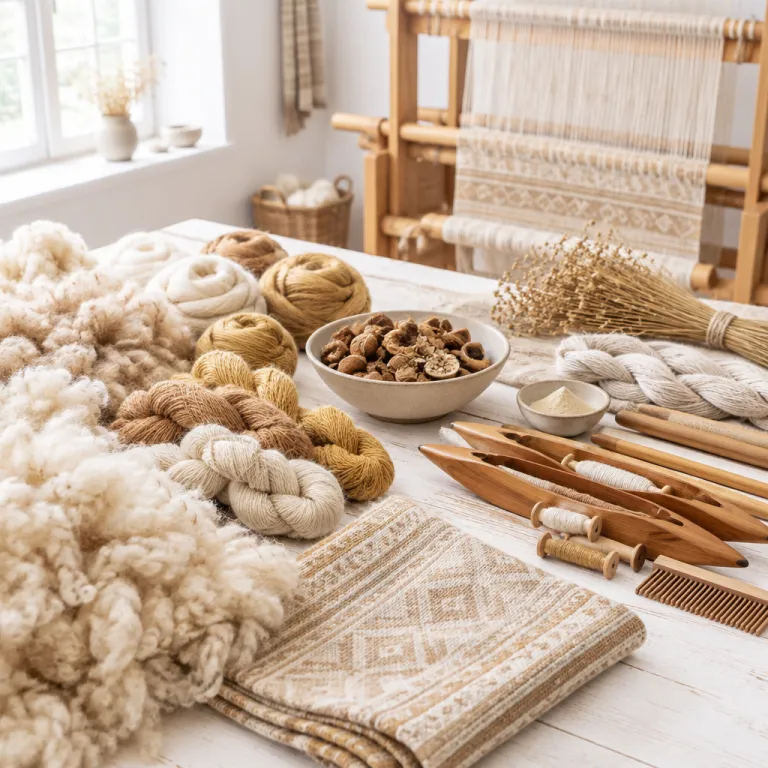
Both Nule and Aggius sit far from the yacht marinas, yet they anchor some of the most refined textiles in Sardinia. In Nule, carpet weavers work mainly on horizontal looms, their hands moving quickly across the warp to build dense geometric carpets that once warmed shepherds’ stone houses on the island. Aggius favors the vertical loom tradition, where the weaver stands or sits before the frame, knotting and beating the wool by hand to create rugs wall pieces that feel sculptural as much as functional.
For luxury travelers, these highland villages offer a different kind of premium experience, one that pairs five star suites on the coast with time spent in small workshops where sardinian sheep wool still rules. You might wake in a sea view suite near Olbia, then drive inland to meet weavers Sardinia considers cultural guardians, watching looms weave patterns that have survived since the Bronze Age. The contrast between marble lobbies and creaking looms is precisely what makes a stay on this island feel layered, authentic and quietly indulgent.
Materials, motifs and the living language of Sardinian textiles
Every serious look at the sardinia textile weaving tradition in Nule begins with wool from sardinian sheep. Their dense, resilient fleece has shaped typical Sardinian carpets, rugs and wall hangings for centuries, giving Nule and Aggius textiles a weight and warmth that synthetic fibers cannot imitate. In many workshops, you still see skeins hanging from beams, dyed through natural dyeing processes that use local plants, roots and minerals to create earthy reds, soft yellows and deep indigo blues.
Over time, synthetic dyes entered the market, bringing brighter palettes and faster production, yet many weavers in Sardinia still balance both approaches carefully. A weaver in Nule might use natural dyeing for the main field of a carpet, then add synthetic accents to highlight a border motif, ensuring the textile remains stable while respecting traditional tastes textiles from the village. In Aggius, some carpet weaving studios maintain separate lines, one entirely natural and one mixed, allowing travelers to choose pieces that match both their aesthetic and sustainability values.
Patterns are never random in these sardinian textiles, and each village reads them like a map of memory. Geometric diamonds can reference the eye that protects the home, while botanical motifs echo the island’s wild fennel, olive branches and stylized pomegranates, all woven into the warp with deliberate repetition over time. If you are planning a luxury stay focused on artisanship, pairing a coastal hotel with a day in Aggius workshops, perhaps after visiting the ethnographic museum routes described in the island’s wider artisanal guides on Sardinian workshops where tradition is still handmade, gives you a coherent narrative of how textile arts sit alongside ceramics, basketry and knife making.
Women at the looms: weavers, lineages and fragile continuity
Step into a Nule workshop and you will usually find women at the looms, their movements shaped by patterns learned from mothers and grandmothers. The sardinia textile weaving tradition in Nule is still largely a female domain, with each weaver holding a repertoire of designs that can be read like a family archive. In Aggius, the same is true, where weavers Sardinia regards as cultural references keep vertical looms and horizontal looms working in rooms that double as living spaces and showrooms.
Names such as Eugenia Pinna, Isabella Frongia, Giovanna Maria and Maria Campus circulate among collectors who follow Sardinian textile arts closely. These weavers and carpet weavers have pushed beyond typical Sardinian patterns, experimenting with wall hangings and rugs wall compositions that feel almost architectural while remaining rooted in traditional techniques. Their work shows how looms weave not only carpets but also new narratives, where a vertical loom in a small village can speak directly to a gallery in Milan or a design focused hotel suite on the Costa Smeralda.
The reality behind this beauty is more fragile than many visitors realize, because ageing weavers and limited apprenticeships threaten the continuity of both Nule and Aggius traditions. Younger generations often leave for coastal jobs in hospitality, and only a few return to learn the patient rhythm of warp, weft and hand finishing in time to keep the lineage unbroken. When you choose a hotel that curates visits to these workshops or commissions sardinia textile pieces for its interiors, you are not just decorating a room, you are quietly supporting an ecosystem that might otherwise fade.
From museum rooms to working looms: where travelers can meet Sardinian textile arts
Luxury travelers who care about context should start with a museum visit before stepping into a working studio. In Samugheo, the island’s main textile museum offers a clear overview of Sardinian textile history, from Bronze Age fragments to contemporary carpet weaving experiments that still rely on wool and warp. Exhibits from Nule, Aggius and other villages show how vertical looms and horizontal looms evolved, and how typical Sardinian motifs migrated across the island over time.
Once you have that framework, watching weavers at work in Nule or Aggius becomes far more meaningful, because you can read each textile as part of a wider sardinia textile story. Many workshops welcome visitors by appointment, allowing you to sit quietly as a weaver beats the weft into place by hand, or as looms weave the final border of a carpet destined for a private villa. During the Autunno in Barbagia festival circuit, some inland towns open their doors more widely, turning streets into open air galleries where textiles, ceramics and other crafts share the same stage.
For travelers booking high end hotels through stay-in-sardinia.com, the most rewarding itineraries pair coastal comfort with curated inland excursions. A concierge who understands the sardinia textile weaving tradition in Nule can arrange a day that moves from a museum visit in Samugheo to a small workshop in Aggius, with time for a slow lunch in between. If you want to understand why this island feels different from the mainland, these encounters with weavers Sardinia still relies on for cultural continuity will tell you more than any beach club ever could.
Buying authentic Sardinian textiles: what to look for from Nule to Aggius
When you are ready to buy, the first rule is simple, take your time and use your hands. Authentic sardinian textiles from Nule and Aggius feel dense yet supple, with the irregularities that come from hand weaving rather than machine production. Run your fingers along the back of a carpet or wall hanging and you should sense the warp and weft clearly, with no stiff glue or synthetic backing interrupting the structure.
Ask the weaver or gallery owner about the wool, dyes and loom used, because transparency is a hallmark of serious textile arts on the island. A piece woven on a vertical loom in Aggius using natural dyeing and sardinian sheep wool will usually command a higher price than a mixed fiber rug made on semi mechanical looms, and that difference should be clearly explained. In Nule, carpets woven on horizontal looms with complex geometric fields often take weeks or months to complete, so prices reflect not only materials but also the time and skill invested by the weaver.
For luxury hotel guests, one of the most satisfying experiences is commissioning a custom piece that will later hang in a home or even in a favorite suite on a return visit. Some properties featured on stay-in-sardinia.com collaborate directly with artisans such as Eugenia Pinna, Isabella Frongia, Giovanna Maria or Maria Campus, integrating rugs wall compositions and carpets into their interior design. When you see these textiles in a room, then visit the workshop where similar looms weave new works, the connection between your stay and the wider sardinia textile weaving tradition in Nule becomes tangible and deeply personal.
Textiles within Sardinia’s wider artisanal landscape and how hotels can engage
Textile arts in Sardinia do not exist in isolation, they sit alongside ceramics, basketry and knife making in a dense web of rural skills. In villages near Nule and Samugheo, you might find a carpet weaver working next door to a ceramist, both drawing on the same island motifs of spirals, stars and stylized plants. This shared vocabulary, rooted partly in Bronze Age symbols and partly in pastoral life, means that a typical Sardinian carpet can echo the lines of a carved wooden chest or a hand forged shepherd’s knife.
Thoughtful luxury hotels are beginning to treat this ecosystem as a living asset rather than a decorative afterthought. Some properties commission coordinated suites where sardinia textile pieces from Nule hang above beds, ceramics from Oristano line the bathrooms and baskets from the interior villages soften the lighting, creating rooms that feel anchored in the island rather than imported from a catalog. When you read about the curatorial approach of the team behind Sardinia’s luxury and premium hotel booking experience on their insider editorial, you see how these choices are framed as part of a broader commitment to authenticity.
For solo travelers, this means your booking can become a quiet act of cultural support, especially when you choose stays that highlight weavers Sardinia still relies on for continuity. Ask your concierge whether the carpets underfoot come from Nule or Aggius, whether the wall hangings were made on vertical looms or horizontal looms, and whether visits to those workshops can be arranged during your time on the island. In a landscape where tastes textiles are shifting fast, such questions help ensure that the sardinia textile weaving tradition in Nule remains not just a museum memory but a living, evolving presence in the island’s most refined places to sleep.
FAQ
Where are the main centers of traditional weaving in Sardinia ?
The most renowned centers for traditional weaving in Sardinia include Nule in the Goceano area, Aggius in Gallura and Samugheo in the island’s interior. Nule and Aggius are especially known for carpets and wall hangings made on vertical looms and horizontal looms, while Samugheo hosts a major textile museum and several active workshops. Visiting all three gives travelers a clear view of how sardinia textile traditions vary by village yet share common materials and motifs.
How can I tell if a Sardinian carpet is handwoven ?
A handwoven Sardinian carpet usually shows slight irregularities in pattern and thickness, and the back reveals clear warp and weft without glued backing. You should be able to feel the wool fibers and see where the weaver has finished threads by hand, especially on pieces from Nule and Aggius. Asking about the loom type, such as a vertical loom or horizontal loom, and the time required to complete the textile also helps confirm authenticity.
What should I expect to pay for authentic Sardinian textiles ?
Prices for authentic Sardinian textiles vary widely depending on size, complexity, materials and the reputation of the weaver. Small rugs or wall hangings from lesser known workshops may be relatively accessible, while large carpets from established names such as Eugenia Pinna or Isabella Frongia can reach premium price levels. In general, pieces made with sardinian sheep wool, natural dyeing and fully hand operated looms command higher prices than machine assisted textiles.
Can luxury hotels in Sardinia arrange visits to weaving workshops ?
Many luxury and premium hotels, especially those curated by specialist platforms focused on Sardinia, can arrange private visits to weaving workshops in Nule, Aggius or Samugheo. These experiences often include time at the loom with a weaver, explanations of textile arts techniques and opportunities to purchase carpets or wall hangings directly. It is best to request such visits when booking, so the hotel can coordinate schedules with small artisan studios.
Are Sardinian textiles suitable for modern interiors outside Italy ?
Sardinian textiles from Nule and Aggius integrate well into modern interiors because their geometric motifs and natural palettes complement both minimalist and eclectic spaces. Many contemporary weavers design rugs wall pieces and carpets specifically for international homes, balancing traditional techniques with updated color schemes. When chosen carefully, a single sardinia textile can anchor a room and carry a tangible memory of time spent on the island.